Antarctica is one of Earth’s most mysterious places. Covered by thick ice for millions of years, it hides secrets that spark the curiosity of scientists and explorers. What lies beneath Antarctica’s ice is more than just rock and snow—there are mountains, lakes, ancient climates, and even signs of life.
As technology improves, researchers are discovering incredible things under the frozen surface, revealing a hidden world that could change how we understand our planet.
The Depth Of Antarctic Ice
Antarctica’s ice is not just a thin layer. In some places, it is over 4 kilometers thick—taller than almost any mountain in Europe. This massive ice sheet covers about 98% of the continent and holds around 60% of the world’s fresh water. Scientists use radar and satellites to measure how thick the ice is, and these studies show that the ice is not the same everywhere. Some parts are just a few hundred meters thick, while others hide entire mountain ranges.
How Deep Is The Ice?
Below is a comparison of ice thickness in different parts of Antarctica:
| Region | Average Ice Thickness (meters) | Maximum Thickness (meters) |
|---|---|---|
| East Antarctica | 2,200 | 4,800 |
| West Antarctica | 1,300 | 2,800 |
| Antarctic Peninsula | 500 | 1,500 |
The thickest ice is found in East Antarctica, where some spots reach nearly 5 kilometers deep. This makes it difficult to explore what’s underneath, but new technology is helping to reveal more each year.
Subglacial Mountains And Valleys
Most people imagine Antarctica as flat, but the land under the ice is anything but smooth. There are vast mountain ranges, deep valleys, and even high plateaus.
The Gamburtsev Mountains
One of the most surprising discoveries is the Gamburtsev Mountains, often called the “Ghost Mountains.” These mountains are the size of the European Alps and are completely buried under more than 1,000 meters of ice. Radar mapping has shown peaks that reach over 3,000 meters high. Scientists believe these mountains formed over 250 million years ago, long before Antarctica became a frozen continent.
Deepest Point: The Bentley Subglacial Trench
Antarctica also has some of the world’s deepest valleys. The Bentley Subglacial Trench is the lowest point on Earth not covered by ocean, reaching about 2,555 meters below sea level. This trench is hidden under a thick layer of ice, making it almost impossible to reach, but remote sensing and ice-penetrating radar have mapped its shape.
:max_bytes(150000):strip_icc()/__opt__aboutcom__coeus__resources__content_migration__mnn__images__2020__01__bedmachine_antarctica-15b173e19148400a94a7ed10288c1bbf.JPG)
Credit: www.treehugger.com
Subglacial Lakes And Water Systems
Not all water in Antarctica is frozen. Below the ice, there are over 400 subglacial lakes. These lakes are kept liquid by heat from the Earth and the pressure from the ice above.
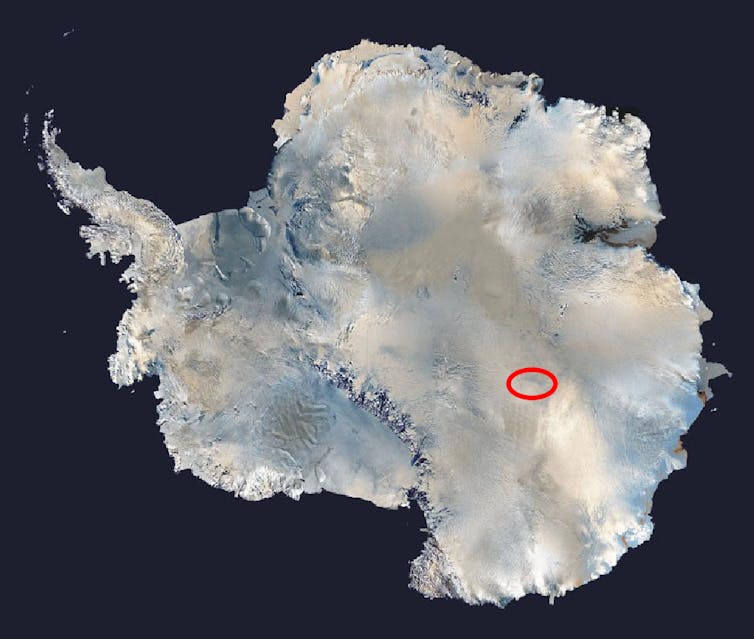
Lake Vostok
The most famous is Lake Vostok, which is one of the largest lakes on Earth. It is buried under 4 kilometers of ice and is about 250 kilometers long and 50 kilometers wide. Scientists have drilled into the lake, finding that it is completely isolated from the surface and may have unique forms of life.
Active Water Systems
These lakes are not just still pools. Some are connected by subglacial rivers that flow under the ice, moving water across long distances. This movement can even change the shape of the ice above, creating “ice streams” that help drive the movement of the Antarctic ice sheet.
Here’s a look at some key subglacial lakes:
| Lake Name | Location | Area (km²) | Buried Depth (m) |
|---|---|---|---|
| Lake Vostok | East Antarctica | 12,500 | 4,000 |
| Lake Whillans | West Antarctica | 60 | 800 |
| Lake Ellsworth | West Antarctica | 29 | 3,400 |
Ancient Climates And Fossil Evidence
Antarctica was not always frozen. Millions of years ago, it was covered by forests and home to animals, including dinosaurs. The ice acts like a time capsule, preserving ancient pollen, leaves, and even wood deep below the surface.
Fossils Beneath The Ice
In some areas, scientists have drilled through the ice and found leaf fossils and tree bark, showing that Antarctica was once warm and green. These discoveries help us understand how Earth’s climate has changed over millions of years.
Ice Cores And Climate Records
Ice cores taken from deep within the Antarctic ice sheet contain tiny bubbles of ancient air. By studying these bubbles, scientists learn about past atmospheres, carbon dioxide levels, and temperature changes. Some ice cores reach back over 800,000 years, giving a detailed record of Earth’s climate history.
Life In Extreme Conditions
The idea that life exists under Antarctica’s ice might sound impossible, but researchers have found microbes and other tiny life forms in subglacial lakes and even in the ice itself.
Microbial Ecosystems
For example, Lake Whillans contains bacteria that survive without sunlight, using minerals and chemicals in the water to make energy. These ecosystems are completely isolated from the outside world, and their discovery raises exciting questions about life on other planets.
What Makes This Life Special?
- The organisms do not need sunlight or oxygen from the air.
- They survive in total darkness at temperatures below freezing.
- Some create energy by breaking down minerals, a process called chemosynthesis.
This shows that life can exist in extreme conditions, and studying these Antarctic microbes may help scientists search for life on Mars or Jupiter’s moon Europa.
Hidden Volcanoes
Few people know that volcanoes lie beneath Antarctica’s ice. Scientists have found at least 138 volcanoes under the ice sheet. Some are still active, and one—the Mount Erebus—is the southernmost active volcano on Earth, though its top is above the ice.
Impact Of Subglacial Volcanoes
Most volcanoes are hidden, but they can melt ice from below and help shape the landscape. If a large eruption happened under the ice, it could speed up melting and affect sea levels. So, monitoring these volcanoes is important for understanding future changes in Antarctica.
Here’s a quick comparison of some volcanoes under and near the ice:
| Volcano | Location | Status | Height (m) |
|---|---|---|---|
| Mount Erebus | Ross Island | Active | 3,794 |
| Mount Sidley | Marie Byrd Land | Dormant | 4,181 |
| Subglacial Volcanoes | West Antarctica | Mostly Dormant | Varies |

Credit: www.youtube.com
Meteorites And Space History
Antarctica is one of the best places to find meteorites. These rocks from space land on the ice and are easy to spot against the white background. The ice moves meteorites to certain areas, where they collect over thousands of years. Scientists have found over 20,000 meteorites in Antarctica, including some from the Moon and Mars.
Why Are Meteorites Important?
- They tell us about the early solar system.
- Some contain clues about water and organic molecules in space.
- Finding them in Antarctica is easier because the environment preserves them well.
Mysterious Canyons And Rifts
Scientists have discovered giant canyons and rift systems hidden under the ice. The Denman Canyon is one of the deepest land gorges on Earth, reaching more than 3,500 meters below sea level. These canyons direct the flow of ice and influence how fast glaciers move.
East Antarctic Rift System
A major rift called the East Antarctic Rift System stretches for hundreds of kilometers. It separates large blocks of crust and may affect how the continent breaks apart over millions of years. These features are mapped using satellites and radar, giving us a better picture of what lies below.
Why Exploring Beneath The Ice Matters
Understanding what lies beneath Antarctica’s ice is not just for curiosity. It helps scientists:
- Predict sea level rise: The hidden land and water systems control how fast ice melts.
- Study past climates: Fossils and ice cores reveal how Earth’s climate changed.
- Search for life: Discovering life in extreme places helps us look for life elsewhere.
- Monitor volcanic activity: Subglacial volcanoes could affect ice melt and global sea levels.
Exploring these secrets is challenging. Drilling through kilometers of ice is expensive and risky. Remote sensing, like satellite radar and seismic waves, is making the hidden world more visible, but many mysteries remain.
Surprising Insights Most People Miss
- Antarctica’s base is not flat—it’s a wild landscape of mountains, canyons, and volcanoes, which changes how ice moves and melts.
- Subglacial lakes and rivers can suddenly drain, lifting huge areas of ice and causing rapid changes on the surface above.
- Some parts of the land beneath the ice are below sea level, which means that if the ice melts, seawater could flood large areas of the continent, making melting even faster.
These lesser-known facts show that what lies below the ice is not just still and frozen, but dynamic and sometimes dramatic.
Credit: theconversation.com
Frequently Asked Questions
What Is The Thickest Point Of Antarctic Ice?
The thickest point is in East Antarctica, where the ice reaches up to 4.8 kilometers (about 3 miles) thick. This is one of the thickest ice sheets in the world.
Are There Any Living Organisms Under The Ice?
Yes, scientists have found microbes and other tiny life forms living in subglacial lakes and even in the ice itself. These organisms survive without sunlight and can use chemicals in the water for energy.
How Do Scientists Study What Is Beneath The Ice?
Researchers use ice-penetrating radar, satellites, and drilling equipment to look below the ice. These tools can map the land and water systems without having to remove the ice.
Was Antarctica Always Frozen?
No, millions of years ago, Antarctica was covered by forests and had a much warmer climate. Fossil evidence shows that it once supported plants and even dinosaurs.
Why Is Antarctica Important For Climate Research?
Antarctica contains ice cores with ancient air bubbles, which help scientists study how Earth’s climate changed over hundreds of thousands of years. Changes in Antarctic ice also affect global sea levels and climate patterns.
For more detailed information about Antarctica’s geology and discoveries, visit the Wikipedia page on subglacial lakes.
Antarctica’s icy cover hides a complex, fascinating world. With each discovery, we learn more about our planet’s past, present, and future, and the mysteries below the ice continue to inspire scientists around the world.