In 1971, Bangladesh emerged from a devastating war of independence as one of the poorest countries on Earth. Some observers famously doubted the new nation could survive at all. Five decades later, the Bangladesh economy is one of the most talked-about development stories in the world: a major manufacturing exporter, a huge source of migrant workers, a growing hub for digital freelancers, and home to landmark projects like the Padma Bridge and Dhaka Metro Rail.
Thank you for reading this post, don't forget to subscribe!How did that happen, and what could slow it down? This guide breaks the transformation into four simple engines: garment exports, remittances, IT outsourcing, and infrastructure. We will also look honestly at the weaknesses that economists keep warning about.
From Aid Dependence to Export Growth: A Quick Timeline
In its early years, Bangladesh relied heavily on foreign aid and on jute, a natural fibre once called the country’s golden fibre. As world demand for jute faded, the economy needed something new. The turning point came in the late 1970s and early 1980s, when a handful of entrepreneurs began making ready-made garments for export, helped by a partnership with South Korea’s Daewoo that trained Bangladeshi workers and managers.
- 1970s: Recovery from war, famine and heavy aid dependence.
- 1980s–1990s: The garment industry takes off under global quota rules that guaranteed market access.
- 2000s: Overseas employment in the Gulf and Asia surges, and remittances become a second pillar.
- 2010s: Steady growth of around 6–7% a year, rising incomes, and a push for digital services.
- 2020s: Mega-projects open, while inflation, banking stress and political change test the model.
Bangladesh met all three United Nations criteria for leaving the Least Developed Country (LDC) group, and the UN set graduation for 24 November 2026. You can read the official background on the UN-OHRLLS Bangladesh graduation page. Graduation is a badge of progress, but it also means gradually losing some trade preferences, which is why the debate over readiness has been intense.
Engine 1: Ready-Made Garment Exports
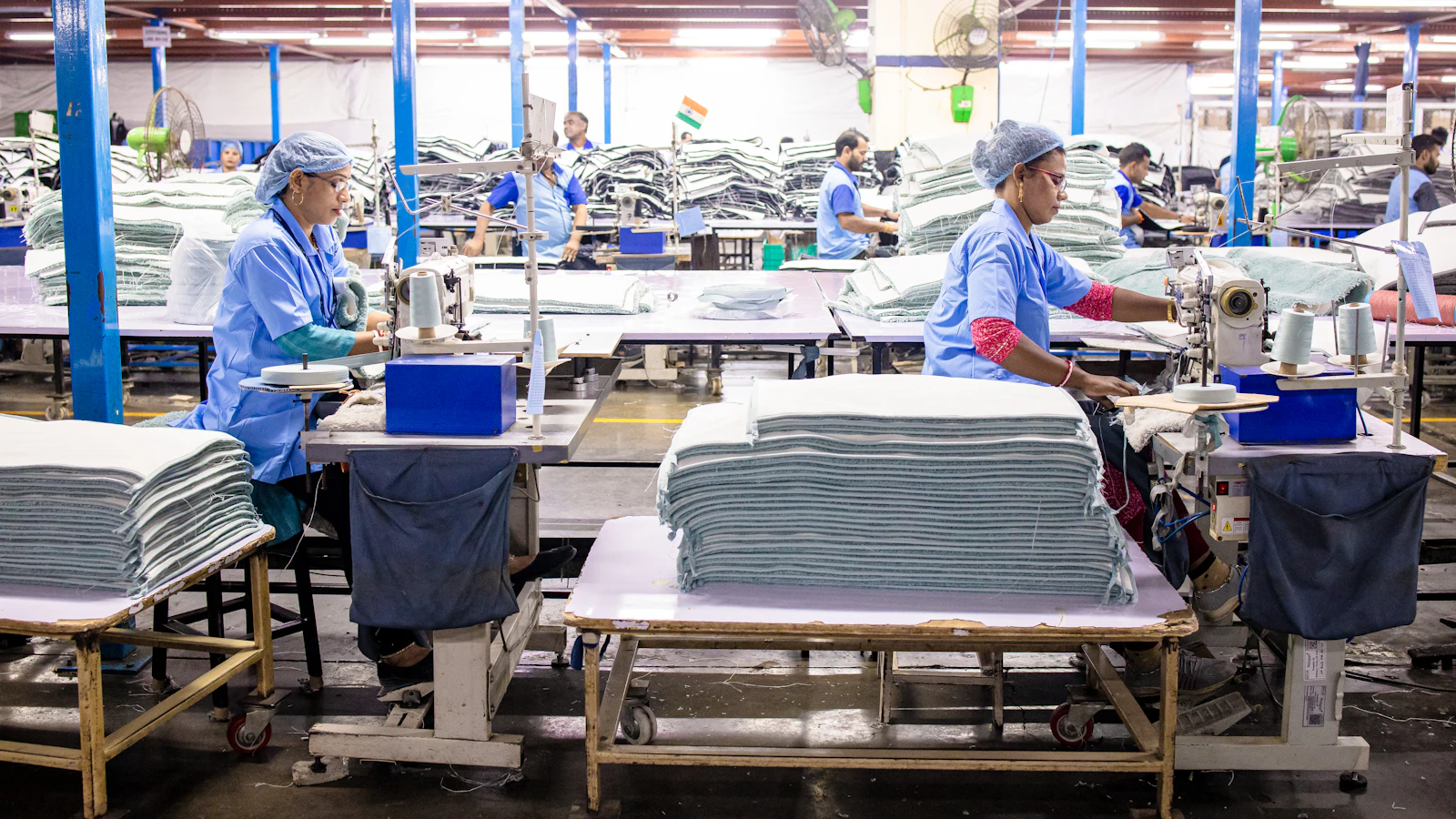
The ready-made garment (RMG) sector is the backbone of Bangladesh’s exports. It accounts for roughly four-fifths of the country’s merchandise export earnings, and Bangladesh is regularly ranked as the world’s second-largest clothing exporter after China. Brands across Europe and North America source T-shirts, sweaters, trousers and denim from factories around Dhaka, Gazipur, Narayanganj and Chattogram.
Why garments worked so well
- Low-cost, large workforce: Millions of young workers, many of them women, entered factory jobs.
- Preferential market access: Duty-free entry to the European Union under the Everything But Arms scheme gave a big price advantage.
- Learning by doing: Early factory managers trained others, spreading know-how quickly.
- Back-to-back letters of credit and bonded warehouses: These policies let factories import fabric without heavy upfront capital.
The social impact and the hard lessons
Garment jobs gave millions of women their first independent income, which researchers link to later marriage, more schooling for girls and greater bargaining power at home. But the industry also suffered tragedy. The Rana Plaza collapse in 2013 killed more than 1,100 people and forced major reforms, including building-safety agreements between brands and unions. Today Bangladesh also has one of the world’s largest numbers of certified green garment factories.
The big risk is concentration. When one sector earns most of a country’s export money, any shock to global fashion demand, a tariff change, or the loss of LDC trade preferences can hit hard. Diversifying into leather, pharmaceuticals, light engineering, and agro-processing is a goal that policymakers repeat often.
Engine 2: Remittances From Migrant Workers
More than ten million Bangladeshis work abroad, mainly in Saudi Arabia, the UAE, Qatar, Oman, Kuwait, Malaysia and Singapore, with growing communities in the UK, the US and Italy. The money they send home, called remittances, is the country’s second-largest source of foreign currency after garments. In fiscal year 2024–25, inflows through official channels hit a record of more than 30 billion US dollars, according to Bangladesh Bank figures widely reported in the national press.
Remittances matter in three ways:
- Household welfare: Families spend on food, school fees, healthcare and housing.
- Foreign reserves: Dollar inflows help pay for fuel, food and machinery imports.
- Rural development: Village economies benefit from new homes, shops and small businesses.
A long-running challenge is informal transfer, known as hundi, which bypasses banks. When the official exchange rate is far from the market rate, more money flows through hundi. Exchange-rate reforms and cash incentives for formal transfers have helped pull more money into official channels. If you want to understand how interest rates and exchange rates connect to everyday finances, our guide on how central bank interest rates affect your mortgage, savings and investments is a useful companion.
Engine 3: IT Outsourcing and Digital Freelancing
The third engine is younger but fast-growing. Bangladesh has one of the largest pools of online freelancers in the world, with hundreds of thousands of people working on platforms like Upwork and Fiverr in areas such as web development, graphic design, digital marketing, data entry and video editing. Local software firms also export services to clients in North America, Europe and Japan.
- Young population: A median age in the late twenties means a big, tech-savvy workforce.
- Cheaper internet and smartphones: Mobile broadband has spread to towns and villages.
- Mobile financial services: Platforms like bKash and Nagad made digital payments routine.
- Hi-tech parks: The government has developed several technology parks to attract IT firms.
Barriers remain, including international payment hurdles, inconsistent internet quality, and a skills gap between university education and what global clients want. If you are considering this path yourself, see our review of the best freelance websites for beginners.
Engine 4: Mega Infrastructure Projects
For decades, poor roads, ports and power supply held back Bangladesh’s growth. Over the past ten years the country invested heavily to close those gaps.
Padma Multipurpose Bridge
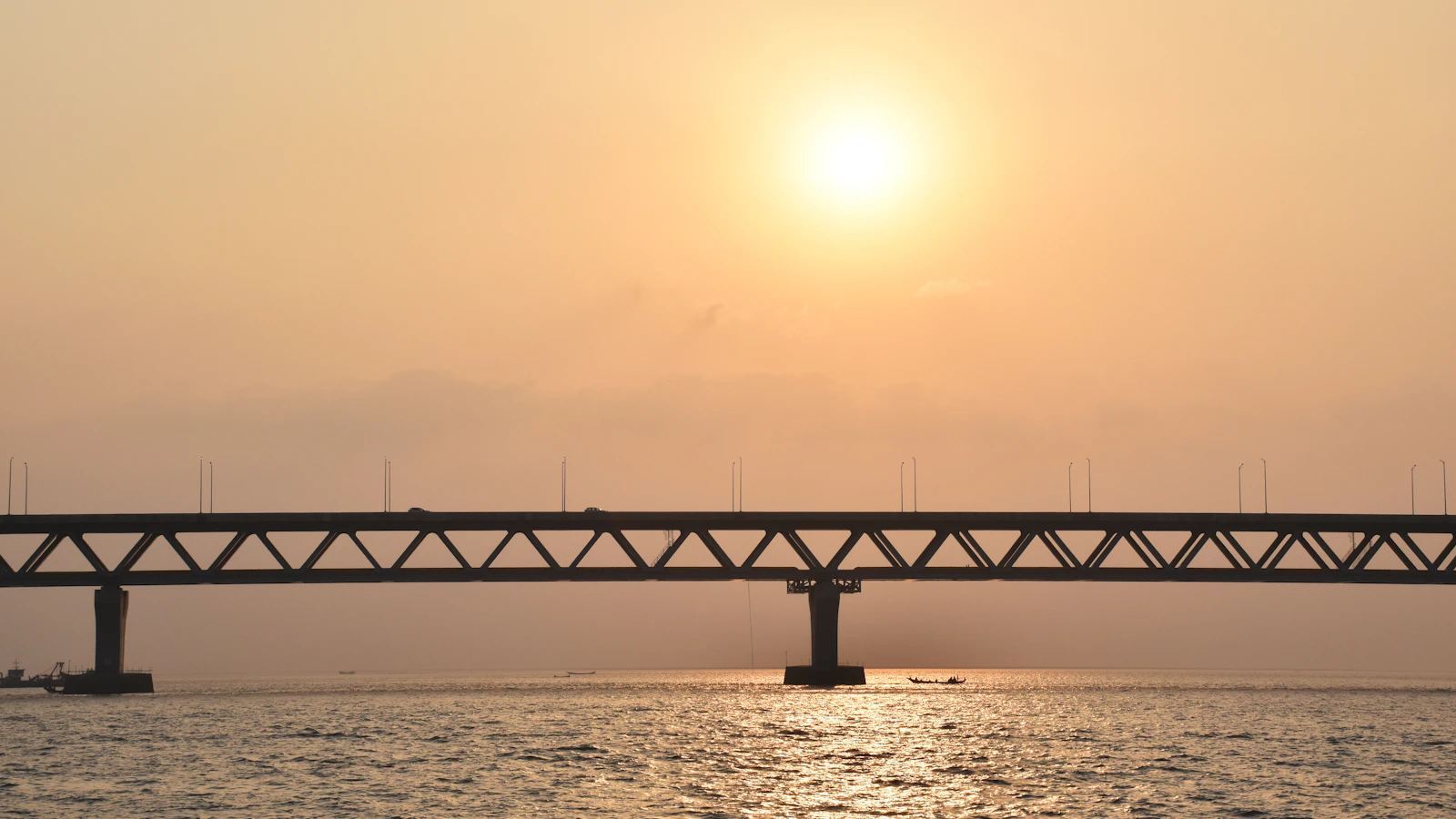
Opened in June 2022, the roughly 6.15 km Padma Bridge links the capital to the southwestern districts for the first time by road and, since 2023, by rail. Journeys that once required long ferry waits now take a few hours, opening the region to factories, tourism and faster farm-to-market trade. It was largely financed from domestic resources, which became a symbol of national confidence.
Dhaka Metro Rail and urban transport
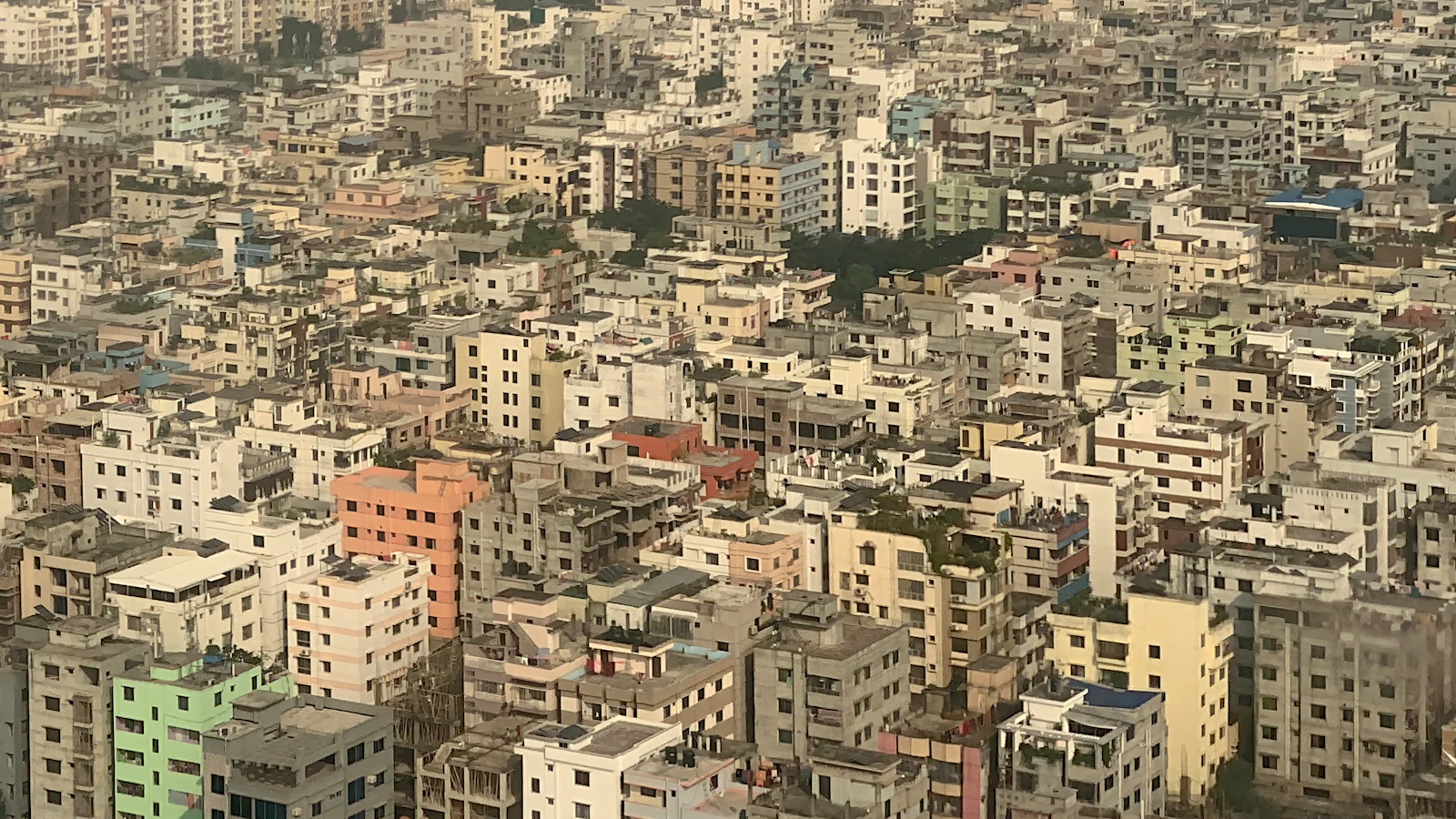
Dhaka is one of the most crowded cities in the world. The first metro line (MRT Line-6) began service in December 2022, giving commuters a fast alternative to gridlocked roads. An elevated expressway and further metro lines are planned or under construction.
Ports, power and the Karnaphuli tunnel
The Bangabandhu Sheikh Mujibur Rahman Tunnel under the Karnaphuli River in Chattogram, the Matarbari deep-sea port project, the Rooppur nuclear power plant, and large expansions in power generation all aim to make Bangladesh more attractive to manufacturers. Because so much world trade passes through busy sea lanes, port capacity is critical. Our explainer on the world’s most critical maritime chokepoints shows why shipping routes matter so much for export economies.
Critics point out that some projects suffered big cost overruns and that foreign loans for them now add to debt-service pressure. Getting full value from these investments depends on maintenance, good governance and connecting them to new industries.
The Human Side: Poverty, Women and Social Progress
Economic growth was matched by striking social gains. Extreme poverty fell sharply from the 1990s onward, life expectancy rose above 70 years, and child mortality dropped. Non-governmental organisations such as BRAC and microfinance pioneered by Grameen Bank reached millions of rural families. Many economists argue that investing in women, through jobs, credit, family planning and girls’ education, was one of the country’s smartest development choices.
Challenges and Risks Ahead
The story is not only positive. The World Bank’s April 2026 Bangladesh Development Update called for urgent reforms to restore macroeconomic stability, sustain growth and create jobs. Key concerns include:
- High inflation that has squeezed household budgets since 2022.
- Banking sector stress, with high non-performing loans in several banks.
- Low tax revenue relative to GDP, which limits spending on health and education.
- Export concentration in garments and the loss of some trade preferences after LDC graduation.
- Climate vulnerability from floods, cyclones and sea-level rise in a low-lying delta.
- Youth unemployment, especially among graduates.
Bangladesh is often compared with other Asian success stories. Singapore, for example, used ports, trade and strong institutions to transform itself, as explained in our article on how Singapore became a global financial and shipping superpower. Bangladesh’s path is different, with a far larger population, but the lesson about institutions and diversification applies to both.
What Comes Next?
The next stage of growth will probably depend less on cheap labour and more on productivity. That means higher-value garments such as technical and synthetic textiles, new export sectors, skilled migration instead of low-wage labour migration, a stronger digital economy, and a cleaner, better-regulated banking system. If those reforms succeed, the country could move from a lower-middle-income economy toward upper-middle-income status in the coming decades.
Frequently Asked Questions
What is the biggest sector of the Bangladesh economy?
By GDP, services are the largest sector, but for exports the ready-made garment industry dominates, earning roughly four-fifths of merchandise export income.
How important are remittances to Bangladesh?
Very important. Remittances are the second-largest source of foreign currency, reached a record of over 30 billion dollars in FY2024–25, and support millions of households.
What does LDC graduation mean for Bangladesh?
It recognises progress in income, human assets and economic resilience. After a transition period, Bangladesh will lose some duty-free trade benefits and concessional finance, so it must become more competitive.
Is IT outsourcing a real alternative to garments?
Not yet in size, but it is growing quickly and creates higher-skill jobs. It works best as one part of a broader diversification strategy.
Summary
Bangladesh’s economic transformation rests on four engines: garment exports that created millions of jobs, remittances from workers abroad, a growing digital freelancing and IT sector, and big infrastructure that finally connects regions and markets. Together with real gains in health, education and women’s empowerment, they turned a country once written off into a rising emerging economy. The next chapter depends on reforms in banking, taxation and diversification, and on building resilience against climate change.
Disclaimer: This article is for general educational purposes only and is not financial or investment advice. Economic figures change over time; please check official sources such as Bangladesh Bank and the World Bank for the latest data.