The first twelve weeks of pregnancy are small in size but huge in importance. Your baby’s brain, spine, heart, and other organs begin to form, and what you eat can support that work. The good news is that first trimester nutrition does not have to be complicated. You do not need to “eat for two” yet. You simply need to eat well, take the right supplements, and avoid a short list of risky foods. This checklist walks you through it in plain language.
Thank you for reading this post, don't forget to subscribe!
Why Nutrition Matters So Much in the First Trimester
During the first trimester, the neural tube, which becomes the baby’s brain and spinal cord, closes very early, often before many people know they are pregnant. That is why health agencies stress getting enough folic acid before and during early pregnancy. At the same time, many women feel nauseous or tired, so eating well can feel harder than usual. Think of this stage as “quality over quantity.” Calorie needs barely change in the first trimester, but the need for certain vitamins and minerals rises right away. If you are tracking your overall progress, our pregnancy week-by-week guide shows what is happening with your baby at each stage.
The Essential Nutrients Checklist
The U.S. National Institutes of Health Office of Dietary Supplements lists the daily amounts below for adult pregnant women. Always confirm your own targets with your doctor or midwife, because needs vary with age, health, and diet.
1. Folate (Folic Acid)
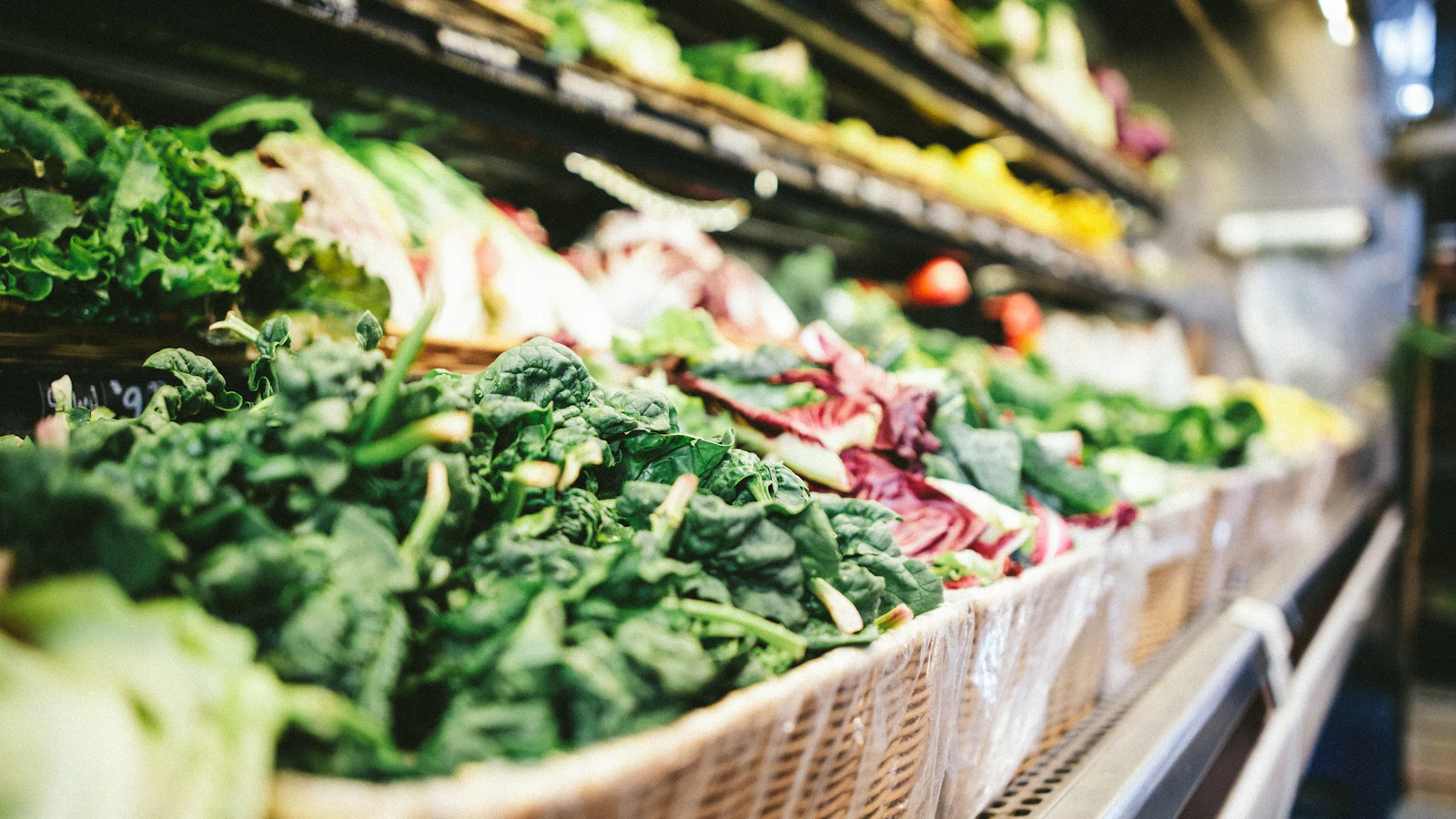
Folate is a B vitamin that helps prevent neural tube defects. The recommended intake in pregnancy is 600 mcg of dietary folate equivalents (DFE) per day, and health authorities advise taking a supplement containing folic acid because food alone is often not enough. Good food sources include:
- Dark leafy greens such as spinach and kale
- Lentils, chickpeas, and beans
- Citrus fruits and oranges
- Fortified breakfast cereals and breads
- Asparagus and broccoli
2. Iron
Your blood volume expands during pregnancy, so you need more iron to make hemoglobin. The recommended amount is 27 mg per day. Sources include lean red meat, poultry, well-cooked fish, beans, lentils, tofu, and iron-fortified cereals. Plant-based (non-heme) iron absorbs better when eaten with vitamin C, so pair lentils with tomatoes or spinach with a squeeze of lemon. Tea and coffee can reduce absorption, so try to keep them away from iron-rich meals.
3. Calcium
Calcium builds your baby’s bones and teeth. Adult women need about 1,000 mg per day (teenagers need 1,300 mg). Pasteurized milk, yogurt, and cheese are the easiest sources. If you avoid dairy, look to fortified plant milks, tofu set with calcium, canned sardines with bones, and leafy greens such as bok choy.
4. Choline, Iodine, and Vitamin D
Three more nutrients deserve attention. Choline (450 mg per day) supports brain development and is found in eggs, meat, and soybeans. Iodine (220 mcg per day) supports the baby’s thyroid and brain and comes from iodized salt, dairy, and seafood. Vitamin D (600 IU per day) helps calcium work properly; sunlight, fortified milk, and oily fish contribute, but many doctors recommend a supplement.
Do You Need a Prenatal Vitamin?
Most healthcare providers recommend a daily prenatal vitamin, ideally started before conception. It acts as a safety net on days when nausea limits what you can eat. Check that it contains folic acid, iron, and iodine, and avoid taking extra high-dose supplements unless your doctor advises it. Too much preformed vitamin A (retinol), for example, can harm a developing baby, so never double up on supplements without medical guidance.
Foods and Drinks to Avoid Safely
Pregnancy slightly weakens your immune response, so foodborne infections such as listeria and salmonella can be more serious. The following list reflects common guidance from health authorities including the U.S. FDA:
- Alcohol: no safe amount has been established in pregnancy.
- Raw or undercooked meat, eggs, and seafood: this includes sushi made with raw fish and runny eggs.
- Unpasteurized milk and soft cheeses made from it: check labels on feta, brie, and queso fresco.
- Deli meats and smoked fish: eat only if heated until steaming hot.
- High-mercury fish: avoid shark, swordfish, king mackerel, and tilefish. Choose lower-mercury options such as salmon, sardines, and shrimp. See the FDA’s advice about eating fish.
- Excess caffeine: most guidelines suggest staying under 200 mg per day, about one 12-ounce cup of coffee.
- Unwashed produce and raw sprouts: rinse fruit and vegetables well.
Eating Well When You Feel Sick
Morning sickness affects many pregnant women and can make any checklist feel impossible. A few simple habits help:
- Eat small meals every two to three hours rather than three large ones.
- Keep plain crackers by your bed and nibble before standing up.
- Try ginger tea or cold foods if cooking smells bother you.
- Sip fluids steadily through the day. Water, clear soups, and diluted juices all count.
- Take your prenatal vitamin with food, or at night, if it upsets your stomach.
If you cannot keep food or fluids down for a day, or you are losing weight, contact your healthcare provider promptly. Severe vomiting needs medical care.

A Sample One-Day First Trimester Menu
- Breakfast: fortified oatmeal with milk, sliced banana, and a handful of nuts.
- Snack: an orange and a small cup of pasteurized yogurt.
- Lunch: lentil soup with whole-grain bread and a spinach salad dressed with lemon.
- Snack: hummus with carrot sticks.
- Dinner: baked salmon, brown rice, and steamed broccoli.
- Before bed: a glass of milk or fortified plant milk.
Keep an eye on your food budget too. Healthy staples such as beans, lentils, eggs, and seasonal vegetables are affordable, and our guide to the 50/30/20 budget rule can help you plan grocery spending as your family grows.
Trusted Sources for Pregnancy Nutrition
For detailed, evidence-based reference tables, see the NIH Office of Dietary Supplements fact sheet on pregnancy and the National Library of Medicine’s MedlinePlus pregnancy and nutrition page.
Frequently Asked Questions
How many extra calories do I need in the first trimester?
Usually none. Extra calories are generally recommended only from the second trimester onward, and the amount depends on your starting weight and activity level.
Is it safe to drink coffee while pregnant?
Moderate caffeine, generally under 200 mg a day, is considered acceptable by most guidelines. Remember that tea, chocolate, and soft drinks also contain caffeine.
What if I cannot eat vegetables because of nausea?
Do not worry. Eat whatever you can tolerate, keep taking your prenatal vitamin, and add nutrient-rich foods back as your appetite recovers, usually after the first trimester.
Should I get vaccines during pregnancy?
Many vaccines are recommended during pregnancy, including the seasonal flu shot. Read our post on why flu season matters and ask your doctor which vaccines are right for you.
Summary
Good first trimester nutrition comes down to a few habits: take a prenatal vitamin with folic acid, build meals around vegetables, legumes, whole grains, dairy or fortified alternatives, and lean proteins, stay hydrated, and avoid alcohol, raw or undercooked animal foods, unpasteurized dairy, and high-mercury fish. On rough days, eat what you can and be kind to yourself. Small, steady choices add up.
Medical disclaimer: This article is for general education only and is not a substitute for professional medical advice, diagnosis, or treatment. Always consult your doctor, midwife, or a registered dietitian about your specific nutritional needs and supplements during pregnancy.