You open your lab results and see a wall of abbreviations: WBC, RBC, HGB, HCT, MCV, PLT. Some are followed by an “H” or an “L” and a number that looks alarming. Before you panic, take a breath. A complete blood count, or CBC, is one of the most common blood tests in the world, and once you know what each line means, the report becomes far less intimidating. This guide shows you how to read a CBC lab report step by step.
Thank you for reading this post, don't forget to subscribe!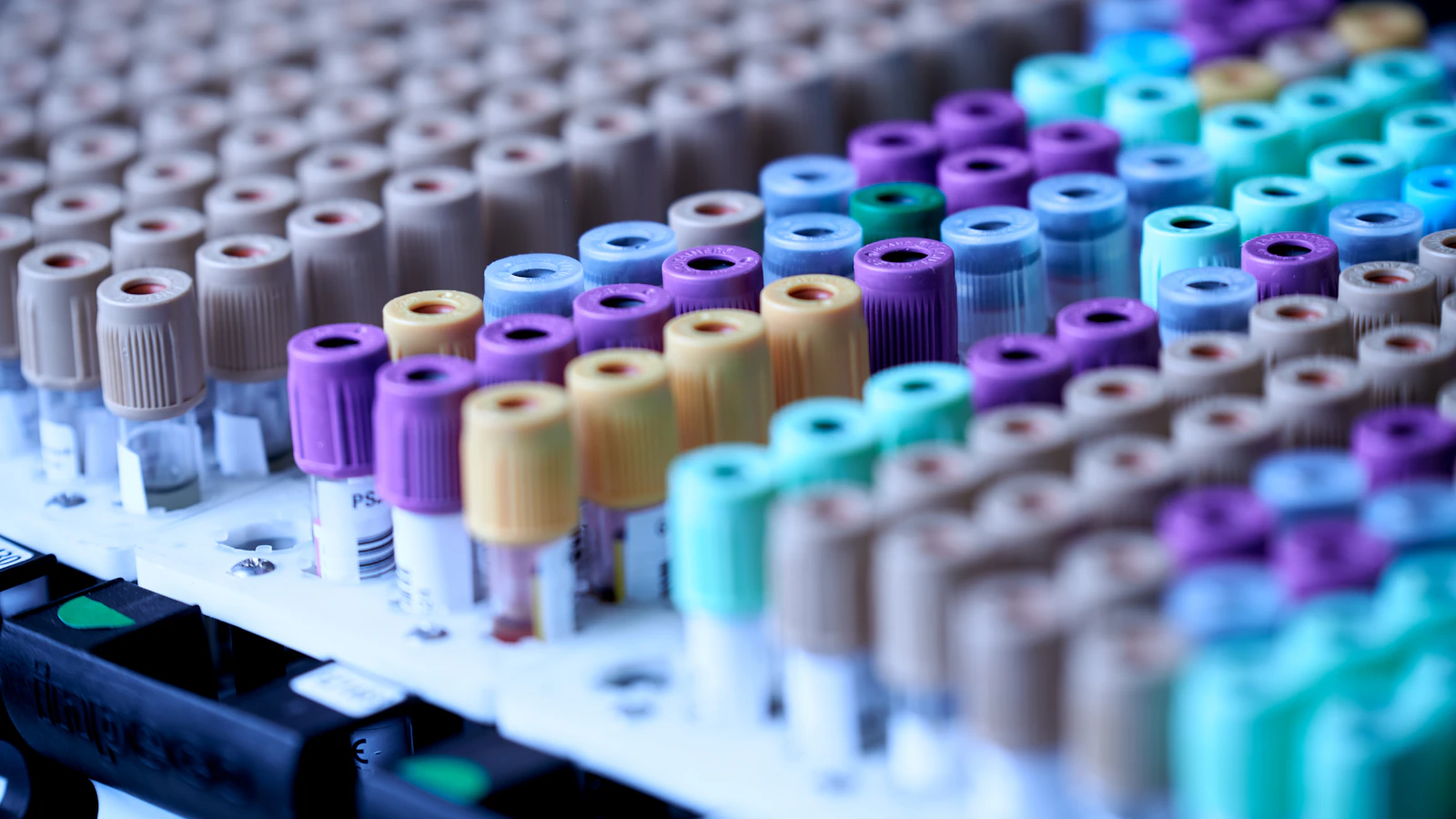
What Is a Complete Blood Count?
A CBC measures the main cells that circulate in your blood: white blood cells, red blood cells, and platelets. According to MedlinePlus from the U.S. National Library of Medicine, doctors use it to check overall health and to help detect conditions such as anemia, infection, and many other disorders. It is often part of a routine checkup, a pre-surgery workup, or a pregnancy visit.
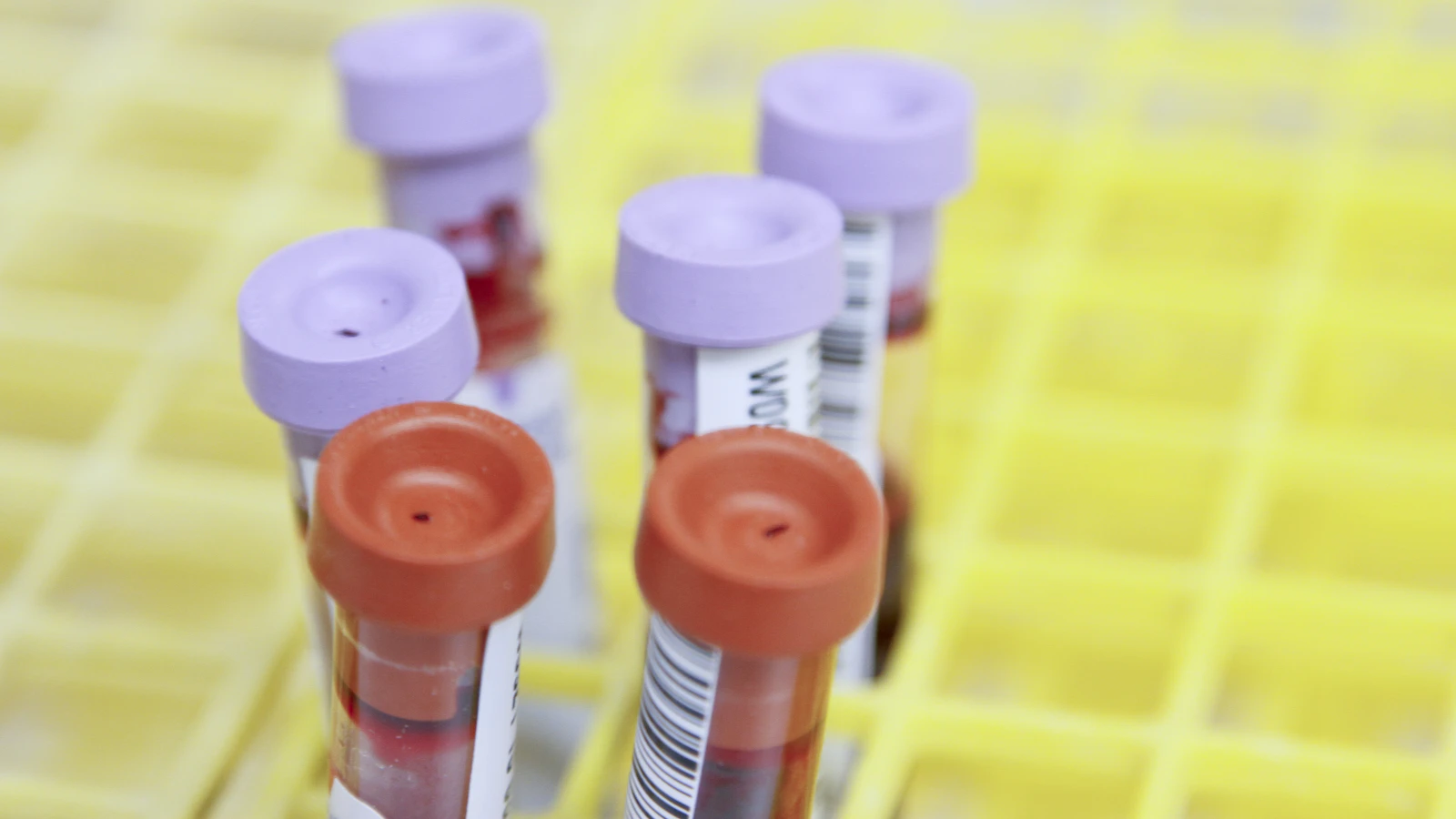
The test needs only a small blood sample drawn from a vein in your arm. A machine called a hematology analyzer counts and measures the cells, and results are usually ready within a day.
A Quick Tip Before You Look at the Numbers
Reference ranges differ between laboratories, and also by age, sex, altitude, and pregnancy. Always compare your result with the range printed on your own report. The ranges in this article are typical adult values meant for general understanding only.
White Blood Cells (WBC): Your Defense Team
White blood cells fight infections and respond to inflammation. A typical adult range is roughly 4,500 to 11,000 cells per microliter of blood, though labs vary.
- High WBC (leukocytosis): often seen with infection, inflammation, physical stress, smoking, or certain medicines such as steroids. Less commonly, it can point to blood disorders.
- Low WBC (leukopenia): can happen with viral infections, some medications, autoimmune conditions, or bone marrow problems.
The WBC Differential
Many reports break WBCs into five types. Neutrophils usually rise with bacterial infections. Lymphocytes often rise with viral infections. Monocytes, eosinophils, and basophils are smaller groups; eosinophils, for example, can rise with allergies or parasitic infections. Your doctor looks at the pattern, not one number alone.
Red Blood Cells (RBC), Hemoglobin, and Hematocrit
These three values work together to show how well your blood carries oxygen.
- RBC count: the number of red cells. Typical adult ranges are about 4.7 to 6.1 million per microliter for men and 4.2 to 5.4 million for women.
- Hemoglobin (HGB): the protein in red cells that carries oxygen. Typical values are about 13.8 to 17.2 g/dL for men and 12.1 to 15.1 g/dL for women.
- Hematocrit (HCT): the percentage of your blood made of red cells, commonly around 41 to 50 percent in men and 36 to 44 percent in women.
Low values on all three suggest anemia, which has many causes, including iron deficiency, vitamin B12 or folate deficiency, blood loss, and chronic disease. High values can occur with dehydration, living at high altitude, smoking, or conditions that make the body produce too many red cells.

Red Cell Indices: MCV, MCH, MCHC, and RDW
These lines describe the size and quality of your red cells, and they help doctors work out why a value is off.
- MCV (mean corpuscular volume): average red cell size, typically about 80 to 100 femtoliters. Small cells (low MCV) are common in iron deficiency; large cells (high MCV) can point to low B12 or folate.
- MCH and MCHC: how much hemoglobin is in each cell and how concentrated it is.
- RDW: how much red cell size varies. A high RDW means cells are unusually uneven in size.
Platelets (PLT): The Clotting Crew
Platelets are tiny cell fragments that help your blood clot after an injury. A typical adult range is about 150,000 to 450,000 per microliter. Low platelets (thrombocytopenia) can raise the risk of bruising or bleeding and may be caused by medicines, infections, or immune conditions. High platelets (thrombocytosis) are often a reaction to inflammation, iron deficiency, or infection, and occasionally a bone marrow condition. The Cleveland Clinic offers a helpful overview of what each blood count result can signal.
A Simple Step-by-Step Way to Read Your Report
- Find the reference range printed next to each result on your own report.
- Look for flags such as H (high) or L (low).
- Check whether related values move together, for example hemoglobin, hematocrit, and RBC.
- Note how far outside the range a result is. A tiny deviation is often not meaningful.
- Compare with previous reports. Trends tell you more than a single snapshot.
- Write down questions and discuss them with your doctor.
Why a Result Can Be Off Without Real Illness
An out-of-range number does not automatically mean disease. Dehydration can make hemoglobin look higher. A recent infection, intense exercise, or even stress can raise white cells. Pregnancy naturally changes blood volume, which can lower hemoglobin and hematocrit; you can read more in our guides to pregnancy week by week and first trimester nutrition, which cover iron and folate. Some medicines and differences between labs can also shift results.
When to Talk to Your Doctor Soon
Contact a healthcare professional promptly if your results are far outside the range, or if you have symptoms such as persistent fatigue, shortness of breath, unusual bruising or bleeding, frequent infections, fever, or unexplained weight loss. Your doctor may repeat the test or order follow-up checks such as iron studies, vitamin levels, or a blood smear.
Frequently Asked Questions
Do I need to fast before a CBC?
Usually not. A CBC alone does not require fasting, but if other tests are ordered at the same time, follow your doctor’s instructions.
Can one abnormal CBC value be a false alarm?
Yes. Hydration, recent illness, time of day, and lab variation can all shift a single value. Doctors often repeat the test before drawing conclusions.
How often should I get a CBC?
There is no single schedule for everyone. Your doctor decides based on your age, health conditions, medications, and symptoms.
What is the difference between hemoglobin and hematocrit?
Hemoglobin is the oxygen-carrying protein measured in grams per deciliter. Hematocrit is the percentage of blood volume taken up by red cells. They usually rise and fall together.
Summary
A CBC gives a snapshot of three cell families: white cells that defend you, red cells that carry oxygen, and platelets that help you clot. Compare each value with your lab’s own range, look at patterns rather than single numbers, and remember that many mild deviations are harmless. Use this guide to prepare better questions for your next appointment, not to diagnose yourself.
Medical disclaimer: This article is for general education only and is not medical advice, diagnosis, or treatment. Reference ranges vary by laboratory and individual. Always consult a qualified healthcare professional about your own test results.