You typically need to be at least 18 years old to do data entry. Some employers may accept candidates as young as 16.
Data entry is an essential role in many industries. It involves entering information into databases, spreadsheets, or systems. This job requires attention to detail, accuracy, and speed. Many companies offer flexible work options, including remote opportunities. Data entry positions can be full-time, part-time, or freelance.
The demand for data entry professionals remains high due to the vast amount of data generated daily. Skills required include typing proficiency, familiarity with office software, and basic computer knowledge. These roles can serve as entry points into administrative and clerical careers. Understanding the requirements and expectations can help you prepare for a successful data entry career.
Age Requirements For Data Entry Jobs
Data entry jobs can be great for young people. They offer flexible hours and can be done remotely. But how old do you have to be to start?
Legal Working Age: A Global Perspective
The legal working age varies around the world. Some countries allow teens as young as 14 to work. Others set the minimum age at 16 or 18.
| Country | Legal Working Age |
|---|---|
| United States | 14 |
| United Kingdom | 16 |
| Canada | 14 |
| Australia | 15 |
| India | 14 |
Data Entry: Minimum Age By Country
Each country has its own rules for data entry jobs. Here is a brief overview:
- United States: Teens can start working at 14 with a work permit.
- United Kingdom: The minimum age is 16, but some jobs allow 14-year-olds.
- Canada: Teens can work from age 14, but some provinces have different rules.
- Australia: Teens as young as 15 can work, but rules vary by state.
- India: The minimum age is 14, but child labor laws are strict.

Credit: www.wikihow.com
Data Entry: A Skill-based Profession
Data entry is more about skills than age. Companies need accurate data and efficiency. People of all ages can excel in data entry if they have the right skills.
Skills Over Age: Why Competency Matters
Skills are more important than age in data entry. Speed and accuracy are key. Employers look for these qualities.
Here are some essential skills for data entry:
- Fast typing speed
- Attention to detail
- Basic computer knowledge
- Good communication
Anyone with these skills can do data entry, regardless of age.
Youth In Tech: Encouraging Early Skill Development
It’s good to start learning data entry skills early. Kids and teens can practice typing and using computers. Schools often teach these skills.
Here are some ways to encourage young people:
- Introduce typing games
- Provide computer access
- Teach them about software
- Encourage attention to detail
Early skill development can lead to future job opportunities in data entry.
Starting Young: Data Entry As A Stepping Stone
Data entry is a great way for young people to start their careers. It teaches attention to detail, typing skills, and basic computer knowledge. This skill can open doors to more advanced opportunities in the future.
Internships And Apprenticeships For Youth
Many companies offer internships and apprenticeships for young people. These programs provide a hands-on approach to learning data entry. Internships typically run during the summer or school breaks. Apprenticeships are more formal and can last longer.
Both options allow young people to gain real-world experience. They also help build a professional network. Some programs even offer mentorship from experienced professionals.
Building A Resume With Data Entry Experience
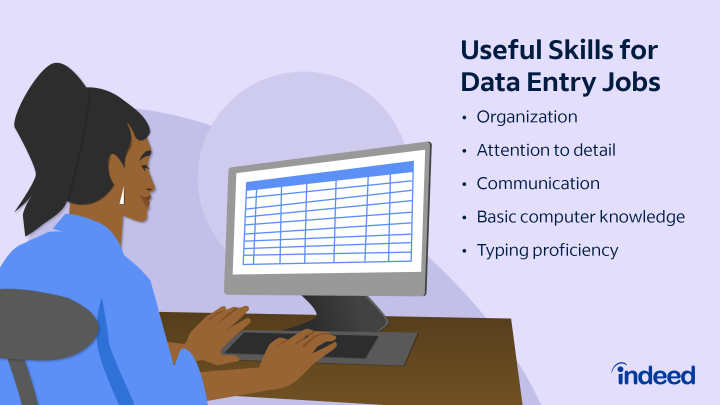
Data entry experience is a valuable addition to any resume. It shows potential employers that you have strong attention to detail. It also demonstrates your ability to handle repetitive tasks efficiently.
Here is a table that highlights how data entry skills can enhance your resume:
| Skill | Description |
|---|---|
| Attention to Detail | Accurately enter data without errors. |
| Typing Skills | Type quickly and accurately. |
| Computer Literacy | Use basic computer programs effectively. |
| Time Management | Complete tasks within set deadlines. |
Including data entry experience on your resume can set you apart. It shows that you have practical skills and a strong work ethic.
Credit: www.indeed.com
Workplace Regulations And Youth Employment
Many young people want to work in data entry. It is important to know the rules. Workplace regulations help keep young workers safe. This section explores labor laws and age restrictions.
Labor Laws: Protecting Young Workers
Labor laws are there to protect young workers. These laws set limits on the type of work they can do. They also set limits on the hours they can work. The goal is to ensure safety and well-being.
Young workers often have school commitments. Labor laws take this into account. They prevent young workers from working too many hours. This helps them focus on their education.
Age Restrictions And Employer Compliance
Employers must follow age restrictions when hiring young workers. These restrictions vary depending on the country and state. In the United States, the Fair Labor Standards Act (FLSA) sets the rules. Here is a simple table to explain:
| Age | Work Type | Hours Allowed |
|---|---|---|
| 14-15 | Non-hazardous jobs | 3 hours on school days, 8 hours on non-school days |
| 16-17 | Non-hazardous jobs | No hour limits, but no school interference |
| 18+ | Any job | No restrictions |
Employers must comply with these rules. They must ensure that young workers do not work too long. They must also ensure that the work is safe.
Violating these laws can result in penalties. This is why it is crucial for employers to know the rules.
- Ensure work is safe.
- Limit work hours.
- Focus on education.
By following these guidelines, young workers can have a safe and productive experience.
Online Opportunities For Aspiring Data Entry Clerks
Data entry offers a flexible and accessible job for young people. The digital age has unlocked many online opportunities. Aspiring data entry clerks can start their careers from home. Here’s how young professionals can get started with remote work and freelancing platforms.
Remote Work: A Gateway For Young Professionals
Remote work is perfect for young professionals. It lets them earn money while studying. Many companies hire remote data entry clerks. These jobs require basic computer skills and attention to detail. Young people can build a career from their own homes.
| Benefits of Remote Work | Description |
|---|---|
| Flexibility | Work from anywhere, anytime. |
| Cost Savings | No need to travel or buy work clothes. |
| Comfort | Work in your own space. |
To start remote data entry, you need a computer and internet. Some companies may provide training. Young professionals should check the company’s age requirements. Many companies hire people 18 years and older.
Freelancing Platforms: Age Requirements And Opportunities
Freelancing platforms offer many data entry jobs. Websites like Upwork, Fiverr, and Freelancer are popular. These platforms connect clients and freelancers. Young professionals can create profiles and apply for jobs.
Age requirements vary on each platform. Here’s a quick overview:
- Upwork: Minimum age is 18 years.
- Fiverr: Minimum age is 13 years with parental consent.
- Freelancer: Minimum age is 16 years.
These platforms offer various opportunities for data entry work. Young professionals can find projects that fit their skills. They can also build their portfolios and gain experience. Freelancing platforms allow them to set their own rates and work hours.
Starting on these platforms is simple. Create a profile, verify your age, and start applying. Young professionals should highlight their skills and eagerness to learn.
Preparing The Next Generation For Data Entry
Data entry is a valuable skill. Kids can start learning early. Preparing the next generation is important. Learning data skills helps in many careers.
Educational Programs Fostering Data Skills
Many schools now teach data skills. These programs start with basic computer use. Kids learn typing and using software.
Here are some common topics covered:
- Basic typing skills
- Using spreadsheets
- Understanding databases
- Data accuracy and validation
These skills help kids in future jobs. They also make learning fun and engaging.
Mentorship And Its Role In Early Career Development
Mentorship is key for young learners. A mentor can guide and support them. Mentors help kids understand the real world of data entry.
Benefits of mentorship include:
- Practical experience
- Career guidance
- Building confidence
Mentors can share their own experiences. This helps kids see the value of data skills.

Credit: www.linkedin.com
Frequently Asked Questions
Can Minors Do Data Entry?
Yes, minors can do data entry if they meet the minimum age requirement set by the employer. They must also comply with labor laws.
Can I Do Data Entry As A Student?
Yes, students can do data entry jobs. It’s flexible, requires basic skills, and can be done remotely.
Can A Beginner Do Data Entry?
Yes, a beginner can do data entry. Basic computer skills and attention to detail are essential. Many entry-level positions offer training.
How Do I Qualify For Data Entry?
To qualify for data entry, you need basic computer skills, fast typing speed, and attention to detail. A high school diploma is often required. Familiarity with data entry software is beneficial. Strong organizational skills and accuracy are essential. Some positions may require prior experience.
Conclusion
Finding the right age for data entry jobs varies by location and company policies. Generally, 18 years old is a safe benchmark. Always check local laws and specific job requirements. Starting a data entry career can offer valuable experience and skills.
Begin your journey with confidence and the right information.