Data entry involves inputting information into databases or spreadsheets. Customer service focuses on assisting and resolving customer inquiries and issues.
Data entry and customer service are distinct roles in any organization. Data entry specialists handle the accurate input and management of data, ensuring records are up-to-date and error-free. This role requires attention to detail and proficiency in using various software tools.
Customer service representatives, on the other hand, interact directly with customers, providing support and solutions to their problems. They need strong communication skills and a customer-centric approach to maintain satisfaction and loyalty. Both roles are essential but serve different purposes within a company, contributing to operational efficiency and customer satisfaction.
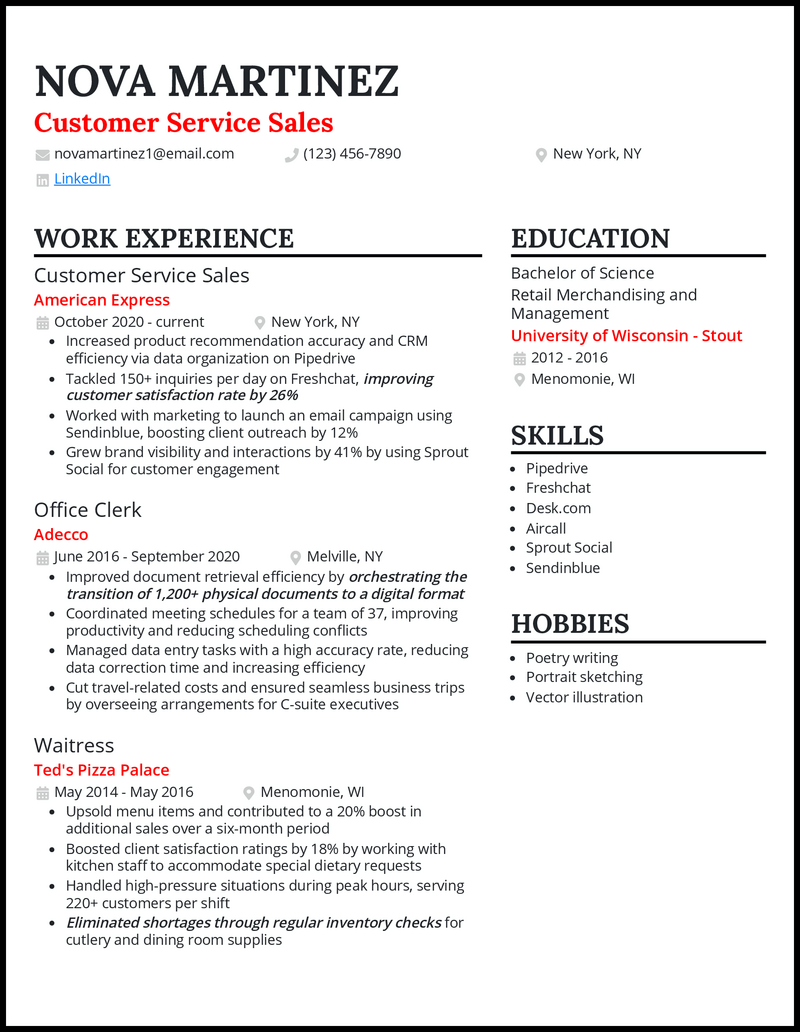
Credit: www.beamjobs.com
Data Entry And Customer Service: Key Roles
Data entry and customer service are two distinct job roles. Each role has unique responsibilities and functions. Understanding their key roles helps in choosing the right career path.
Primary Responsibilities In Data Entry
Data entry clerks focus on inputting information into databases or systems. They ensure accuracy and completeness of data. Their main tasks include:
- Typing and entering data
- Verifying and correcting data
- Maintaining databases
- Updating records
Data entry jobs require attention to detail. They also need fast typing skills and basic computer knowledge.
Core Functions Of Customer Service
Customer service representatives assist customers. They provide information and solve problems. Their main tasks include:
- Answering customer queries
- Handling complaints
- Providing product information
- Processing orders and returns
Customer service roles require communication skills. They also need patience and the ability to solve problems quickly.
Skill Set Variation Between The Two Professions
Understanding the skill set variation between data entry and customer service professions is crucial. Both roles require unique abilities to excel. This section delves into the specific skills each profession demands.
Technical Skills For Data Entry Specialists
Data entry specialists must possess a strong set of technical skills. These skills enable accurate and efficient data handling. Here are some key technical skills:
- Typing Speed: Fast and accurate typing is essential.
- Data Management Software: Proficiency in software like Excel and database systems.
- Attention to Detail: Ensuring data accuracy and consistency.
- Basic IT Knowledge: Understanding of computer systems and troubleshooting common issues.
Interpersonal Skills Essential For Customer Service
Customer service representatives need strong interpersonal skills. These skills help them interact effectively with customers. Key interpersonal skills include:
- Communication: Clear and effective verbal and written communication.
- Empathy: Understanding and addressing customer needs and concerns.
- Patience: Remaining calm and patient in challenging situations.
- Problem-Solving: Quickly identifying and resolving customer issues.
Below is a comparison table highlighting the skills for both professions:
| Data Entry Specialists | Customer Service Representatives |
|---|---|
| Typing Speed | Communication |
| Data Management Software | Empathy |
| Attention to Detail | Patience |
| Basic IT Knowledge | Problem-Solving |
Interaction Levels With Technology And People
Understanding the interaction levels with technology and people is key to discerning the differences between data entry and customer service. These two roles demand distinct skills and engagement types, leading to unique professional experiences. Let’s explore how each role interacts with technology and people.
Data Entry: A Closer Look At Technological Engagement
Data entry professionals primarily work with computers and software. Their job involves entering, updating, and managing data. They use various tools and databases to ensure data accuracy and integrity. Here’s what their interaction with technology looks like:
- Data Input Software: Tools like Excel, Google Sheets, and specialized databases.
- Automation: Use of macros and scripts to speed up tasks.
- Data Management Systems: CRM and ERP systems for large data sets.
Data entry work often involves repetitive tasks. This requires minimal human interaction. Instead, the focus is on precision and efficiency with technological tools.
Customer Service: Understanding The Human Connection
Customer service professionals interact directly with clients. Their primary goal is to resolve issues and answer questions. This role demands excellent communication skills. Here’s a breakdown of their interaction levels:
- Communication Tools: Phones, email, and chat systems.
- CRM Software: Used to track customer interactions and history.
- Problem-Solving: Requires empathy and understanding of customer needs.
Customer service roles require a balance between technology and human interaction. The focus is on building relationships and ensuring customer satisfaction. Effective communication and empathy are crucial.

Credit: ardem.com
Impact On Business Outcomes
Understanding the differences between data entry and customer service is vital. These roles impact business outcomes in unique ways. Data entry focuses on efficiency and accuracy. Customer service plays a crucial role in client retention. Both are essential for the overall success of a business.
How Data Entry Affects Efficiency And Accuracy
Data entry involves inputting information into systems. The goal is to ensure accuracy and efficiency. This role is crucial for maintaining clean, organized data.
Accurate data entry reduces errors. This saves time and resources. Efficient data entry speeds up business operations. It helps in making informed decisions.
Here are some key points:
- Accuracy: Reduces mistakes in records.
- Efficiency: Speeds up data processing.
- Time-Saving: Helps in quick decision-making.
The Role Of Customer Service In Client Retention
Customer service focuses on helping clients. It aims to solve their problems and answer their questions. This role is key to retaining clients and building loyalty.
Good customer service creates happy clients. Happy clients are likely to return and recommend the business. This boosts revenue and strengthens brand reputation.
Consider these important aspects:
- Client Satisfaction: Keeps clients happy and loyal.
- Problem-Solving: Addresses client issues promptly.
- Trust Building: Establishes a reliable brand image.
Career Pathways And Progression
Data Entry and Customer Service roles offer different career pathways. Each field has unique advancement opportunities and growth trajectories. Understanding these can help in making informed career decisions.
Advancement Opportunities In Data Entry
Data Entry roles often start at an entry level. With experience, professionals can move to more specialized positions. Here are some common progression steps:
- Junior Data Entry Clerk: Entry-level position focusing on basic data tasks.
- Senior Data Entry Clerk: Handles complex data management and supervises junior staff.
- Data Analyst: Analyzes data trends and provides insights for business decisions.
- Data Manager: Manages data systems and ensures data integrity.
Skills like attention to detail and proficiency in software are crucial. These skills can accelerate career advancement in data entry roles.
Growth Trajectory In Customer Service Roles
Customer Service roles offer diverse growth opportunities. Starting from entry-level positions, employees can progress to managerial roles. Here’s a typical growth path:
- Customer Service Representative: Handles customer inquiries and resolves issues.
- Senior Customer Service Representative: Deals with complex queries and trains new staff.
- Customer Service Supervisor: Oversees the team and ensures quality service.
- Customer Service Manager: Manages customer service operations and strategies.
Communication skills and problem-solving abilities are vital for growth. These skills help in handling customer interactions effectively and advancing in the field.
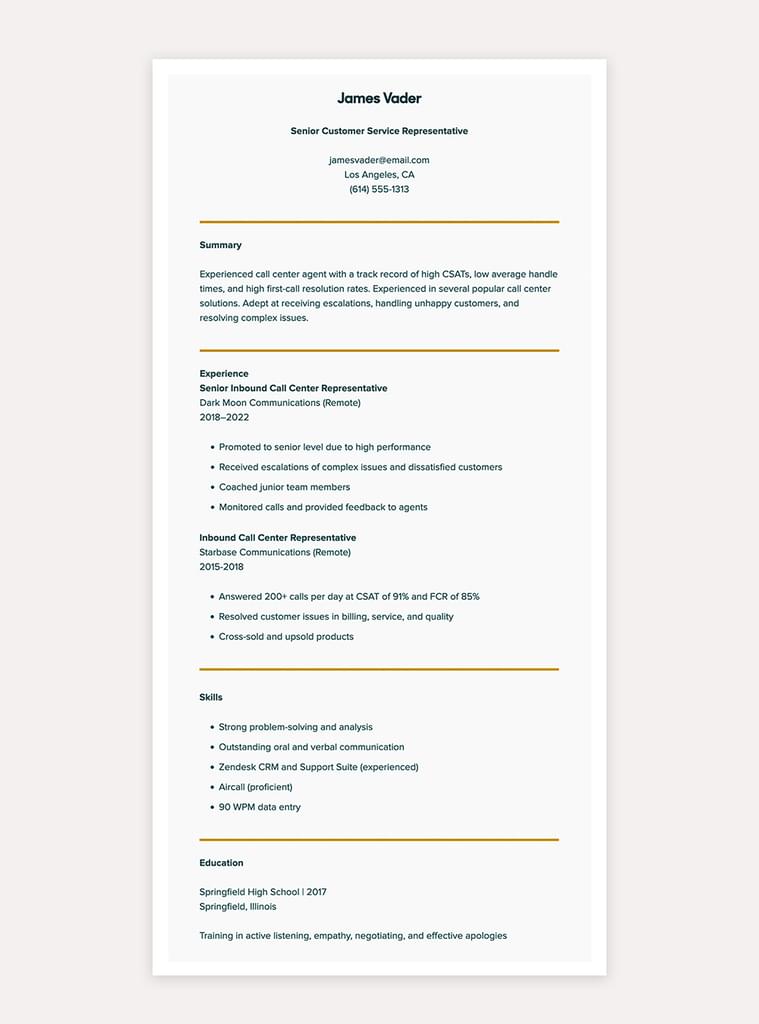
Credit: www.zendesk.com
Choosing Between Data Entry And Customer Service
Choosing the right career can be tough. Data entry and customer service are popular options. Each role has unique demands and rewards. This guide will help you decide.
Assessing Personal Strengths And Preferences
Think about your strengths. Data entry requires attention to detail. It needs strong typing skills. Do you enjoy working alone? Data entry might be for you.
Customer service needs strong communication skills. You must enjoy talking to people. Patience is key. Can you stay calm under pressure? Customer service could suit you.
Market Demand For Data Entry Vs. Customer Service Skills
Market demand can affect your choice. Look at job openings in your area. Data entry roles are often remote. This means more flexibility.
Customer service jobs are often in call centers. Some companies offer work-from-home options. Let’s compare the skills needed for each role:
| Skill | Data Entry | Customer Service |
|---|---|---|
| Typing Speed | High | Moderate |
| Attention to Detail | High | Moderate |
| Communication | Low | High |
| Patience | Moderate | High |
Check industry trends. Some industries need more data entry roles. Others focus on customer service. Do some research. Your choice should align with the market.
Frequently Asked Questions
What Is Customer Service And Data Entry?
Customer service involves assisting customers with inquiries and resolving issues. Data entry includes inputting information into computer systems accurately.
What Does Data Entry Do?
Data entry involves inputting information into a computer system. Tasks include typing, updating records, and maintaining databases. Accuracy and speed are crucial.
Is Data Entry Hard For Beginners?
Data entry can be challenging for beginners. It requires attention to detail and accuracy. With practice, it becomes easier.
What Is Data Entry Called Now?
Data entry is now often referred to as data management or data processing. This involves organizing, storing, and maintaining data efficiently.
Conclusion
Understanding the difference between data entry and customer service is crucial for business efficiency. Data entry focuses on accuracy and speed in managing information. Customer service emphasizes communication skills and problem-solving abilities. Both roles are essential but cater to different organizational needs.
Properly identifying these differences enhances operational success.