
Are you struggling to fall asleep or stay asleep through the night? You’re not alone.
Finding the right magnesium supplement could be the key to better rest. But with so many types out there, how do you know which magnesium is best for sleep? You’ll discover the most effective forms of magnesium that can help calm your mind and relax your body.
Keep reading to learn how to choose the perfect magnesium for your nightly routine—and finally get the deep, refreshing sleep you deserve.

Credit: www.sleepadvisor.org
Magnesium And Sleep Quality
Magnesium plays a key role in helping the body relax and prepare for sleep. It supports many functions that affect how well you rest at night. Low magnesium levels can lead to poor sleep and restless nights.
This mineral helps calm the nervous system. It controls stress hormones that keep you awake. Magnesium also helps regulate melatonin, the hormone that signals your body to sleep.
People who take magnesium often report falling asleep faster. They experience fewer night wakings and deeper sleep stages. Choosing the right type of magnesium can improve these benefits.
How Magnesium Affects The Nervous System
Magnesium calms nerve activity. It blocks signals that cause stress and anxiety. This helps your brain slow down before bedtime. A calm mind leads to easier and longer sleep.
Magnesium’s Role In Melatonin Production
Melatonin controls your sleep-wake cycle. Magnesium helps your body produce melatonin naturally. This keeps your internal clock steady. A balanced clock means regular and restful sleep.
Types Of Magnesium And Their Impact On Sleep
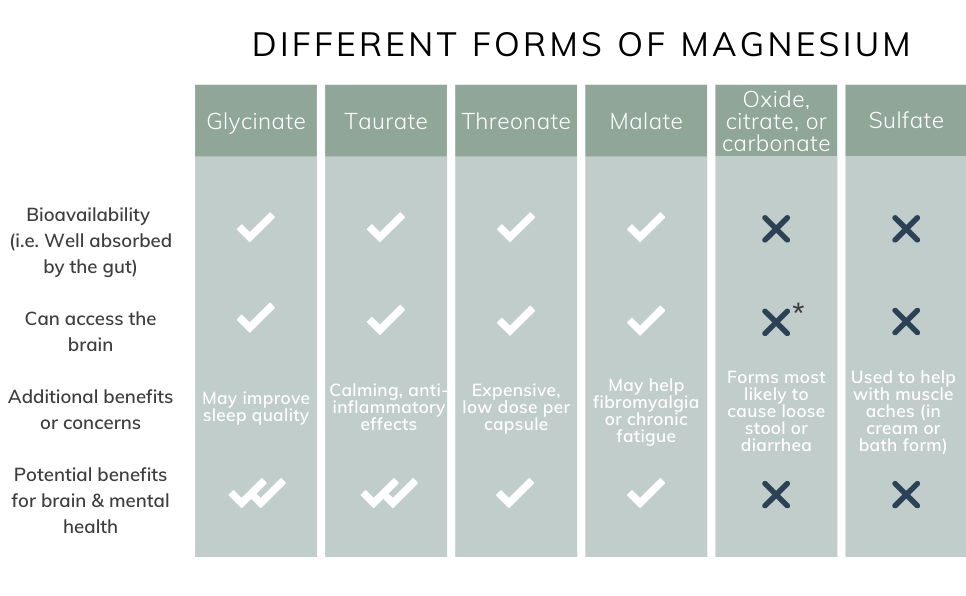
Different magnesium forms absorb differently in the body. Magnesium glycinate is gentle and supports sleep. Magnesium citrate aids digestion but may be less calming. Choosing the right form matters for better rest.
Different Types Of Magnesium
Magnesium plays a key role in helping the body relax and sleep well. Different types of magnesium affect the body in different ways. Some types are easier for the body to absorb. Others may have extra benefits for the brain or digestion. Knowing the differences helps you choose the best magnesium for sleep.
Magnesium Citrate
Magnesium citrate is a popular form. It absorbs well in the body. It can help relax muscles and reduce cramps. Some people find it also helps with digestion. This type may cause mild laxative effects for some users.
Magnesium Glycinate
Magnesium glycinate is gentle on the stomach. It is known for its calming effects. This type is often used to reduce anxiety and improve sleep quality. It has high absorption and a low risk of causing diarrhea.
Magnesium Oxide
Magnesium oxide contains a high amount of magnesium per dose. It is less readily absorbed than other types. Often used to relieve constipation. It may not be the best choice for sleep support.
Magnesium Threonate
Magnesium threonate is unique. It can cross the blood-brain barrier. This means it may help brain function and memory. It might improve sleep by calming the nervous system. Absorption is good but this type is usually more expensive.
How Magnesium Supports Rest
Magnesium plays a key role in helping the body relax and prepare for sleep. It affects many systems that control how well we rest. This mineral helps calm the mind and body, making it easier to fall asleep and stay asleep throughout the night.
Understanding how magnesium works can help you choose the best type for better sleep. Below are two important ways magnesium supports rest.
Impact On Nervous System
Magnesium helps regulate the nervous system by calming nerve activity. It lowers stress hormones, which often keep people awake. This calming effect reduces anxiety and promotes a peaceful mind. A relaxed nervous system makes falling asleep smoother and faster.
Muscle Relaxation Effects
Muscle tension can cause restless nights and discomfort. Magnesium helps muscles relax by blocking calcium, which causes muscle contractions. Relaxed muscles ease body tension, reducing cramps and spasms. This muscle relief allows the body to rest deeply and comfortably.

Credit: www.amazon.com
Choosing The Right Magnesium For You
Choosing the right magnesium for better sleep depends on your body and needs. Different types of magnesium affect your body in unique ways. Some forms absorb quickly, while others take time. Knowing these differences helps you pick the best option.
Sleep quality can improve with the right magnesium supplement. Understanding absorption rates and side effects is key. This helps avoid discomfort and ensures better rest.
Absorption Rates
Magnesium citrate absorbs faster than many other types. It moves quickly into the bloodstream and starts working soon. Magnesium glycinate also absorbs well and is gentle on the stomach. Magnesium oxide has lower absorption but contains more magnesium per dose. Choosing a type with good absorption helps your body use it better.
Potential Side Effects
Some magnesium types can cause stomach upset. Magnesium oxide may lead to diarrhea or cramps in some people. Magnesium citrate can also cause loose stools if taken in high doses. Magnesium glycinate usually has fewer side effects. Knowing side effects helps you avoid discomfort while improving sleep.
Dosage Tips For Better Sleep
Taking magnesium the right way can improve your sleep quality. Knowing how much to take and when helps your body relax. This section provides simple dosage tips. Follow these steps for better rest and calm nights.
Recommended Amounts
The usual dose of magnesium for sleep is 200 to 400 mg per day. Start with the lower amount to see how your body reacts. Do not take more than 350 mg daily from supplements unless a doctor advises. Too much magnesium can cause an upset stomach or diarrhea. Choose the amount that feels best for you.
Timing And Frequency
Take magnesium about 30 to 60 minutes before bedtime. This timing helps your muscles relax and calms your mind. You can take it once per day, usually in the evening. Split doses might work if you have a higher amount. Avoid taking magnesium on an empty stomach to prevent discomfort.
Credit: chandramd.com
Other Sleep-enhancing Practices
Magnesium can help improve sleep, but it works best with other healthy habits. Small changes in daily routines can make a big difference. These practices support magnesium’s effects and help you rest better.
Simple steps to relax and calm your mind boost sleep quality. Combining magnesium with certain supplements may also increase its benefits for a peaceful night.
Lifestyle Changes
Going to bed and waking up at the same time helps set your body clock. Avoid screens and bright lights before bedtime to prepare your brain for rest. Try gentle exercise during the day to reduce stress and tire your body naturally. Keep your bedroom quiet, dark, and cool for better sleep comfort. Limit caffeine and heavy meals late in the evening. These habits create an ideal environment for magnesium to work well.
Combining Magnesium With Other Supplements
Some supplements work well with magnesium to improve sleep. Melatonin helps control your sleep cycle and can be taken with magnesium. Valerian root supports relaxation and eases falling asleep. Lavender supplements may calm anxiety and improve sleep quality. Always check with a healthcare provider before mixing supplements. Using the right combination can enhance your sleep routine safely and effectively.
Frequently Asked Questions
What Type Of Magnesium Helps Improve Sleep Quality?
Magnesium glycinate is known for its calming effects and better sleep support. It helps relax muscles and nerves gently. This form is easy to absorb and less likely to cause stomach upset.
Can Magnesium Supplements Reduce Insomnia Symptoms?
Yes, magnesium can ease insomnia by calming the nervous system. It helps regulate melatonin, the sleep hormone. Taking magnesium regularly may improve sleep duration and quality.
Is Magnesium Citrate Good For Sleep And Relaxation?
Magnesium citrate is often used for digestion but can support sleep too. It has good absorption but may cause mild laxative effects. For sleep, magnesium glycinate is usually preferred over citrate.
How Much Magnesium Should I Take For Better Sleep?
A typical dose for sleep ranges from 200 to 400 mg daily. Start with a lower dose to see how your body reacts. Always consult a doctor before starting any new supplement.
Conclusion
Choosing the right magnesium can help improve your sleep quality. Magnesium glycinate and magnesium citrate are popular options for better rest. Each type works differently in the body. Pay attention to how your body reacts. Consistent use may lead to calmer nights and easier falling asleep.
Always check with a doctor before starting supplements. Good sleep supports overall health and daily energy. Start with a small dose and adjust as needed. Sweet dreams are possible with the right magnesium choice.
Read More-