You have probably seen a food label or a health article claiming that a food is “low glycemic.” It sounds helpful, but the phrase hides a surprising amount of confusion. Is watermelon bad for your blood sugar? Is brown rice always better than white rice? The answers depend on two related ideas that are often mixed up: the glycemic index and the glycemic load. In this guide, we explain glycemic index vs. glycemic load in plain language, show where each one helps and where it misleads, and give you practical ways to enjoy carbohydrates without sharp blood sugar spikes.
Thank you for reading this post, don't forget to subscribe!
Why Carbohydrates Affect Blood Sugar
Carbohydrates are one of the three main nutrients in food, alongside protein and fat. When you eat them, your digestive system breaks them down into glucose, a simple sugar that enters your bloodstream and fuels your cells. Your pancreas then releases insulin, a hormone that helps move glucose out of the blood and into tissues.
Not all carbohydrate foods behave the same way. A slice of white bread is digested quickly, so glucose enters the blood fast. A bowl of lentils is digested more slowly because of its fiber, protein and structure, so glucose rises more gently. For people living with diabetes or prediabetes, these differences matter a great deal. For everyone else, they can influence energy levels, hunger and long-term health.
What Is the Glycemic Index (GI)?
The glycemic index is a scale from 0 to 100 that ranks carbohydrate foods by how quickly they raise blood glucose compared with a reference food, usually pure glucose. Researchers measure it by giving volunteers a portion of the food that contains a fixed amount of carbohydrate, usually 50 grams, and then tracking their blood sugar over the next two hours.
According to Harvard Health, foods are usually grouped like this:
- Low GI: 55 or less (most vegetables, beans, lentils, many fruits, steel-cut oats)
- Medium GI: 56 to 69 (some whole wheat products, basmati rice)
- High GI: 70 or more (white bread, many breakfast cereals, white potatoes)
What Changes a Food’s GI?
The number on a chart is not fixed. Several factors push it up or down:
- Processing: finely milled flour and instant products digest faster than whole, intact grains.
- Ripeness: a very ripe banana has a higher GI than a slightly green one.
- Cooking time: soft, well-cooked pasta raises blood sugar faster than pasta cooked al dente.
- Fiber, fat and acid: these slow digestion and can lower the response to a meal.
- Variety: different types of rice or potatoes can have very different GI values.
The Big Limitation of the Glycemic Index
Here is the problem. The glycemic index is measured using a fixed amount of carbohydrate, not a normal serving of the food. It tells you how fast a food’s carbohydrate turns into blood sugar, but it says nothing about how much carbohydrate you actually eat.
Watermelon is the classic example. It has a high GI, but it is mostly water, so a typical slice contains very little carbohydrate. Harvard Health lists a 120-gram serving of watermelon as having a glycemic load of only about 5, which is low. Judging watermelon by its GI alone would lead you to avoid a refreshing, hydrating fruit for no good reason.
What Is the Glycemic Load (GL)?
Glycemic load fixes that gap by combining quality and quantity. It takes the glycemic index of a food and multiplies it by the grams of carbohydrate in your actual serving, then divides by 100.
Glycemic load = (GI x grams of carbohydrate per serving) / 100
A common way to read the result is:
- Low GL: 10 or less
- Medium GL: 11 to 19
- High GL: 20 or more
A Simple Worked Example
Imagine a food with a GI of 80 and a serving that contains 10 grams of carbohydrate. Its glycemic load is 80 x 10 / 100 = 8, which is low. Now imagine a food with a GI of 70 and a serving that contains 50 grams of carbohydrate, such as a large bowl of white rice. Its glycemic load is 70 x 50 / 100 = 35, which is very high. The first food has the higher GI, yet the second will move your blood sugar far more.
Glycemic Index vs. Glycemic Load: Key Differences
- What it measures: GI measures speed. GL measures speed and amount together.
- Serving size: GI ignores it. GL is built around it.
- Best use: GI is good for comparing similar foods, such as two types of bread. GL is better for judging a real meal.
- Risk of confusion: a high-GI food can have a low GL, and a medium-GI food can have a high GL if you eat a lot of it.
In short, use the GI to choose between similar foods and use the GL to decide how big your portion should be.
Practical Ways to Eat Carbs Without Big Spikes
You do not need to memorize tables. A handful of habits does most of the work, and they match the general advice from the Mayo Clinic that overall diet quality matters more than any single number.
1. Choose Whole and Minimally Processed Carbs
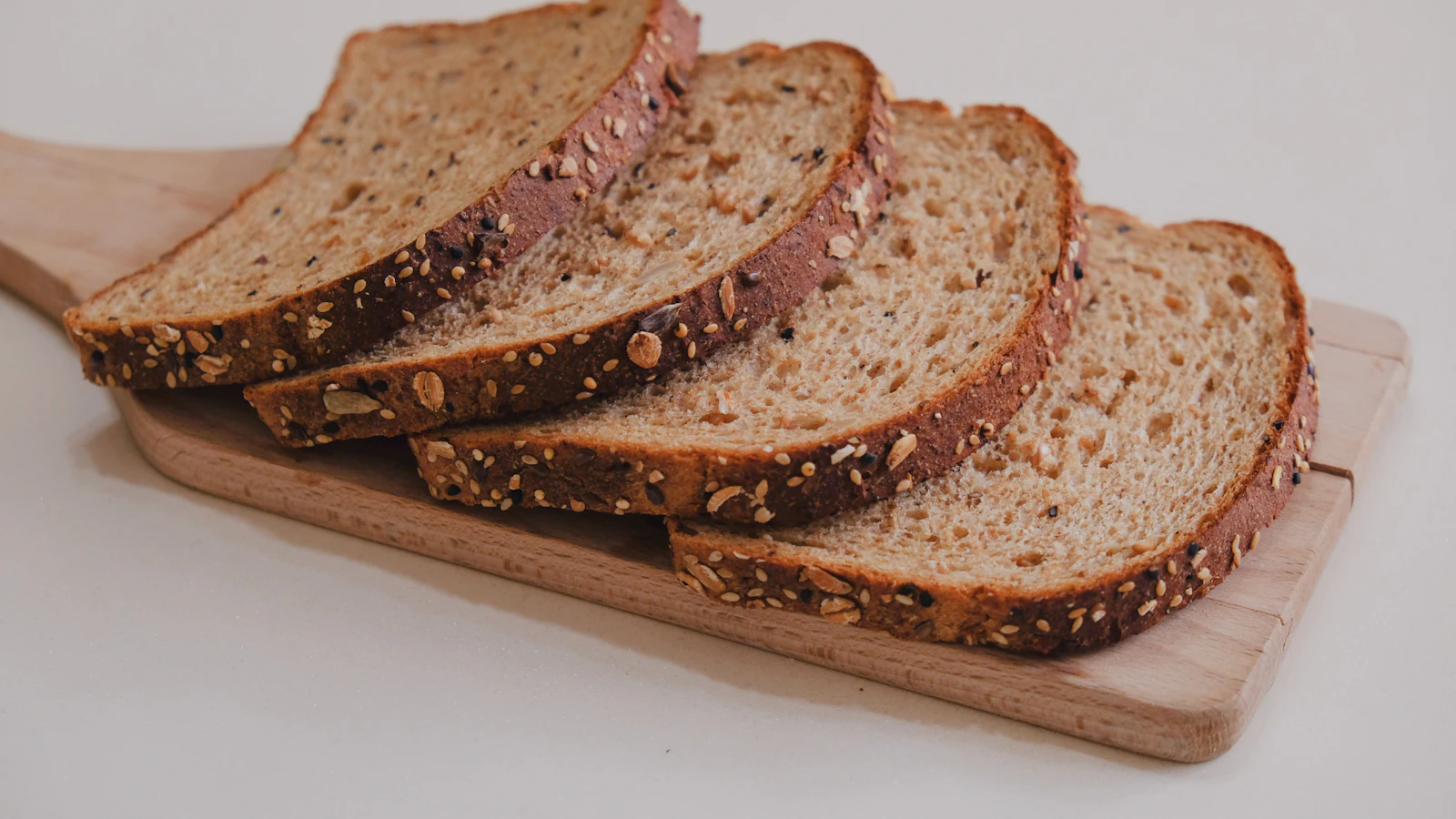
Swap refined products for whole versions: steel-cut or rolled oats instead of instant oatmeal, intact whole grains instead of white flour products, and whole fruit instead of juice. The intact structure slows digestion.
2. Pair Carbs With Protein, Fat and Fiber
Eating rice with beans, vegetables and a source of protein gives a smaller blood sugar rise than eating rice alone. A piece of fruit with a handful of nuts is another easy pairing.
3. Watch Portion Size
Because glycemic load depends on the amount of carbohydrate, portion size is the most powerful lever you have. Cutting a large serving of a starchy food in half cuts its glycemic load in half, whatever its GI.
4. Add Vegetables and Legumes
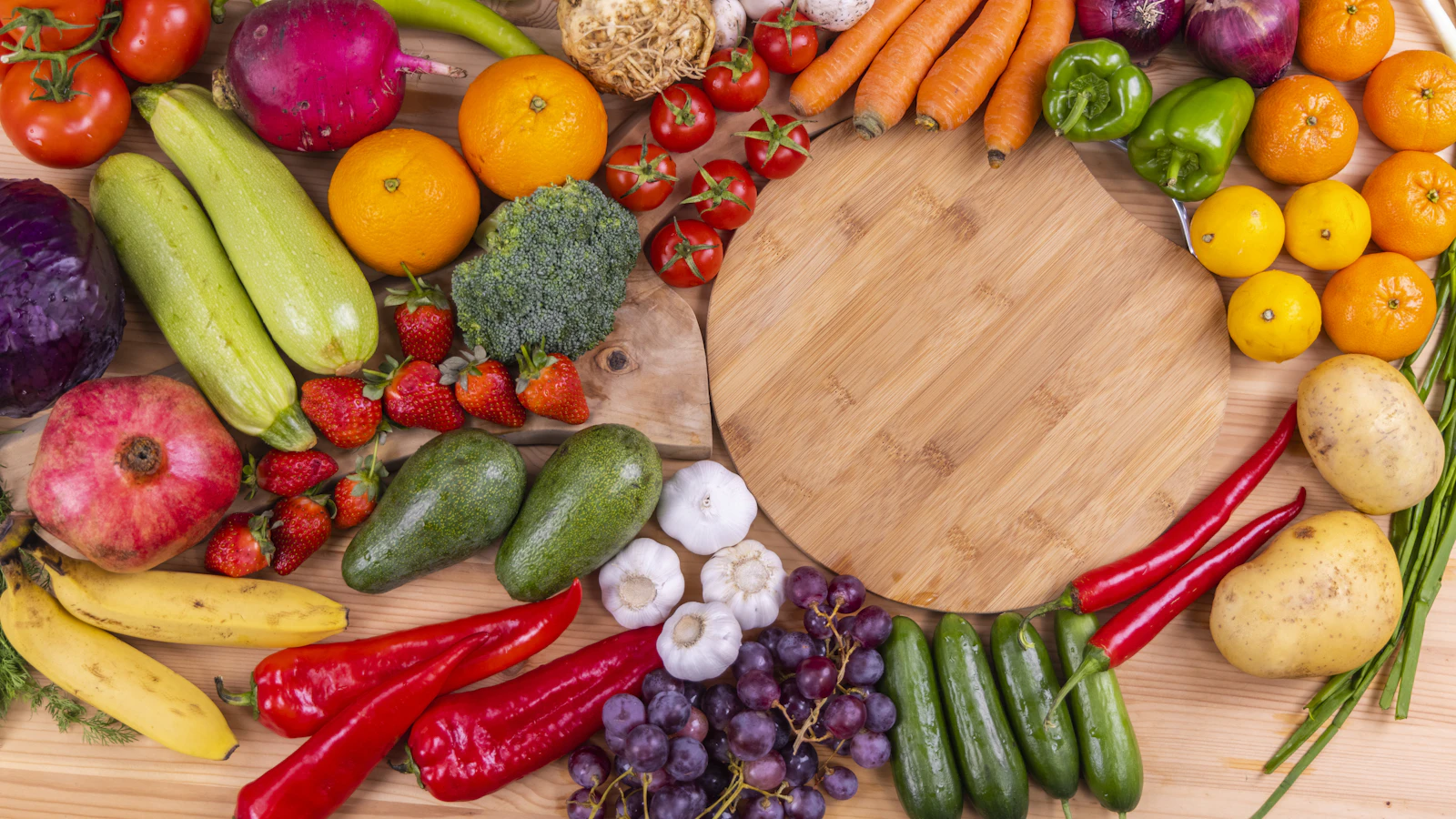
Non-starchy vegetables, beans, lentils and chickpeas have low glycemic effects and add fiber. Filling half your plate with vegetables naturally lowers the glycemic load of the whole meal.
5. Mind How You Cook and Cool Foods
Cook pasta al dente and avoid overcooking grains to mush. Some studies suggest that cooling and reheating starchy foods like potatoes or rice can form resistant starch, which digests more slowly, although the effect is modest.
Who Benefits Most From Tracking GI and GL?
People with type 2 diabetes, prediabetes or gestational diabetes are the main group who may benefit, because steadier blood sugar can make management easier. A systematic review and meta-analysis published in the medical literature found that low-glycemic-index diets were associated with modest improvements in blood sugar control in people with diabetes, as summarized on PubMed. Pregnant women who are told to watch their blood sugar may also find the idea useful; our guides on first trimester nutrition and the pregnancy week-by-week milestones explain the wider nutrition picture.
If your doctor has asked you to monitor blood sugar, lab results such as fasting glucose appear on routine blood work. Our article on how to read your complete blood count report is a good starting point for understanding common lab reports, though glucose and HbA1c are measured in separate tests.
Common Myths About GI and GL
- “Low GI always means healthy.” Not true. Some low-GI foods, such as certain chocolate bars or ice cream, are high in fat and saturated fat. Nutrition quality still matters.
- “High GI foods are forbidden.” A small portion of a high-GI food eaten with a balanced meal has a modest effect.
- “The numbers are exact.” GI values vary between people, between tests and between varieties of the same food.
- “Only people with diabetes need to care.” Anyone can use these ideas to build steadier, more filling meals.
A Sample Day of Lower-Glycemic-Load Eating
Here is one easy pattern. At breakfast, choose rolled oats topped with berries, seeds and plain yogurt. At lunch, build a bowl with lentils, brown rice in a modest portion, plenty of vegetables and a drizzle of olive oil. For a snack, have an apple with a few almonds. At dinner, serve grilled fish or tofu with a big salad and a small portion of boiled potatoes or whole grain bread. None of this is complicated, and none of it requires counting numbers all day.
Frequently Asked Questions
Is glycemic load more useful than glycemic index?
For judging a real meal, usually yes, because it accounts for portion size. The GI is still useful for comparing two similar foods side by side.
Can I eat fruit if I am watching my blood sugar?
In most cases, yes. Whole fruit contains fiber and water, and most servings have a low or medium glycemic load. Fruit juice is a different story because it lacks the fiber. Ask your doctor or dietitian about your own situation.
Does brown rice have a lower glycemic index than white rice?
Often it does, but the variety and cooking method matter a lot. Both can produce a high glycemic load if the portion is large.
Where can I look up GI values?
Harvard Health and university nutrition resources publish food tables, and the University of Sydney maintains a large international GI database. Remember that these figures are averages.
Summary
The glycemic index tells you how fast a carbohydrate food raises blood sugar. The glycemic load adds the missing piece: how much carbohydrate you actually eat. Used together, they help you choose better foods and sensible portions. Favor whole, minimally processed carbohydrates, pair them with protein, healthy fat and fiber, fill your plate with vegetables, and keep portions reasonable. Small, steady habits matter far more than chasing perfect numbers.
Medical disclaimer: this article is for general education only and is not medical advice. If you have diabetes, prediabetes, are pregnant or take glucose-lowering medication, talk to your doctor or a registered dietitian before changing your diet.