Imagine being able to open the instruction manual of life, find a single misspelled word, and fix it. That is the promise of CRISPR, a gene editing technology that went from a curious bacterial quirk to a Nobel Prize-winning tool in under a decade. If you have ever wondered what CRISPR is, how it works, and whether it can really cure genetic diseases, this guide explains it in plain language.
Thank you for reading this post, don't forget to subscribe!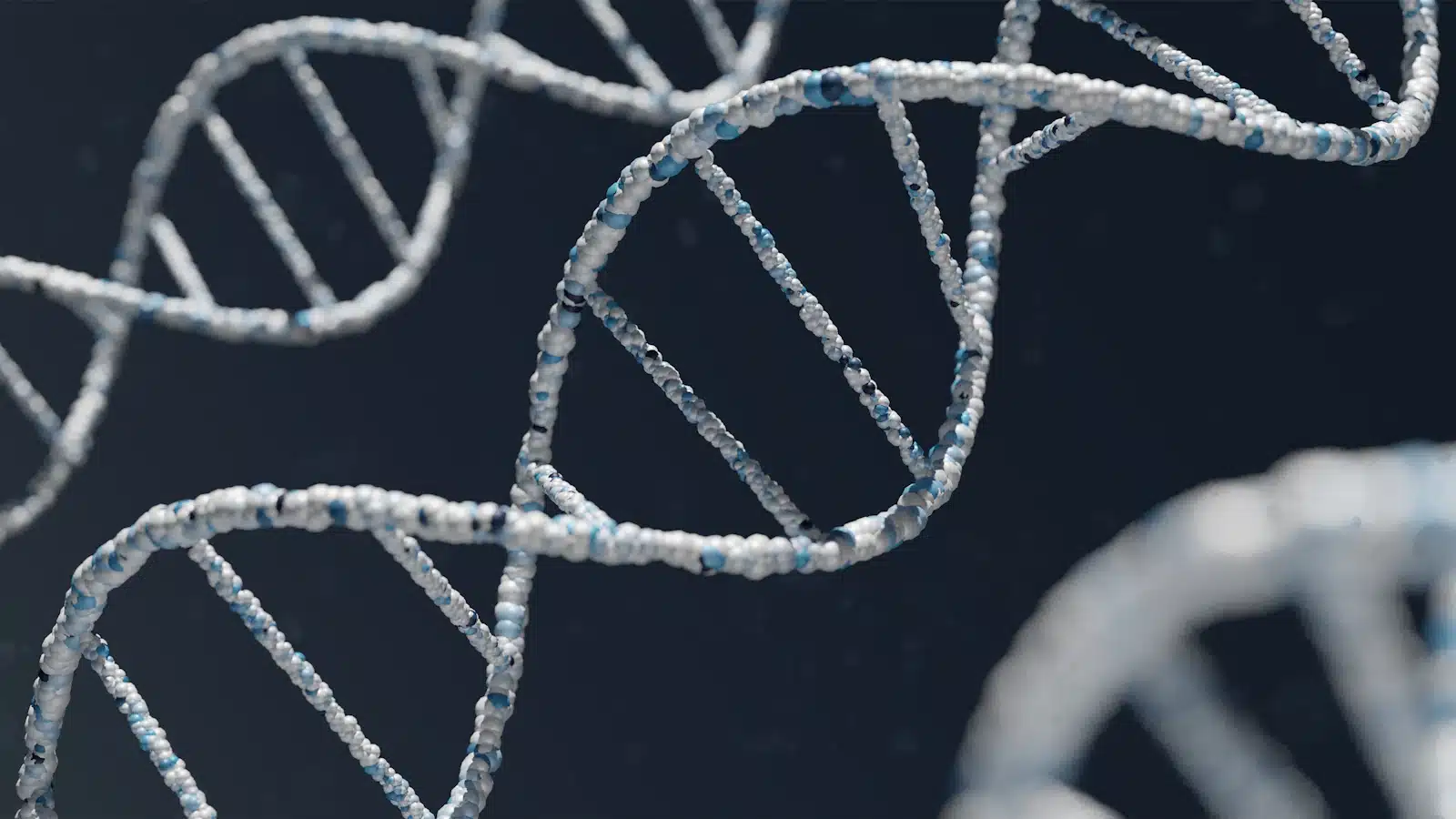
What Is CRISPR?
CRISPR stands for “clustered regularly interspaced short palindromic repeats.” The name sounds intimidating, but the idea is simple. Bacteria keep short snippets of DNA from viruses that have attacked them, stored in their own genome like a wanted-poster gallery. When the same virus returns, the bacterium uses those snippets to recognize it and cut up its DNA.
Scientists realized this natural defense system could be turned into a tool. The most widely used version is CRISPR-Cas9, in which a protein called Cas9 acts as the scissors and a small piece of guide RNA tells it exactly where to cut. The U.S. National Human Genome Research Institute offers a clear definition of CRISPR for readers who want the technical background.
A Short History: From Bacteria to Nobel Prize
Researchers first noticed the odd repeating patterns in bacterial DNA in the late 1980s, but nobody knew their purpose. Over the following years, microbiologists worked out that they were part of an immune system. The breakthrough for gene editing came in 2012, when Emmanuelle Charpentier and Jennifer Doudna showed that Cas9 could be programmed to cut DNA at a chosen location.
In 2020 the two scientists were awarded the Nobel Prize in Chemistry for developing a method for genome editing, as announced on the official Nobel Prize website. It was the first science Nobel awarded to an all-female team, a milestone widely noted at the time.
How Does CRISPR Cut and Paste DNA?
Think of DNA as a very long book written with four letters. CRISPR works like a word processor’s find-and-replace feature. The process has three main steps:
- Find: A guide RNA is designed to match the DNA sequence the scientists want to change. It leads the Cas9 protein to the matching spot in the genome.
- Cut: Cas9 snips both strands of the DNA at that exact location, creating a break.
- Repair: The cell rushes to fix the break. Scientists can let it repair itself in a way that switches a gene off, or supply a template so the cell pastes in a corrected sequence.
That repair step is where the “cut and paste” idea comes from. Switching a gene off is the simplest outcome and, as you will see below, it is exactly how the first approved CRISPR medicine works.
Why CRISPR Beat Older Gene Editing Tools
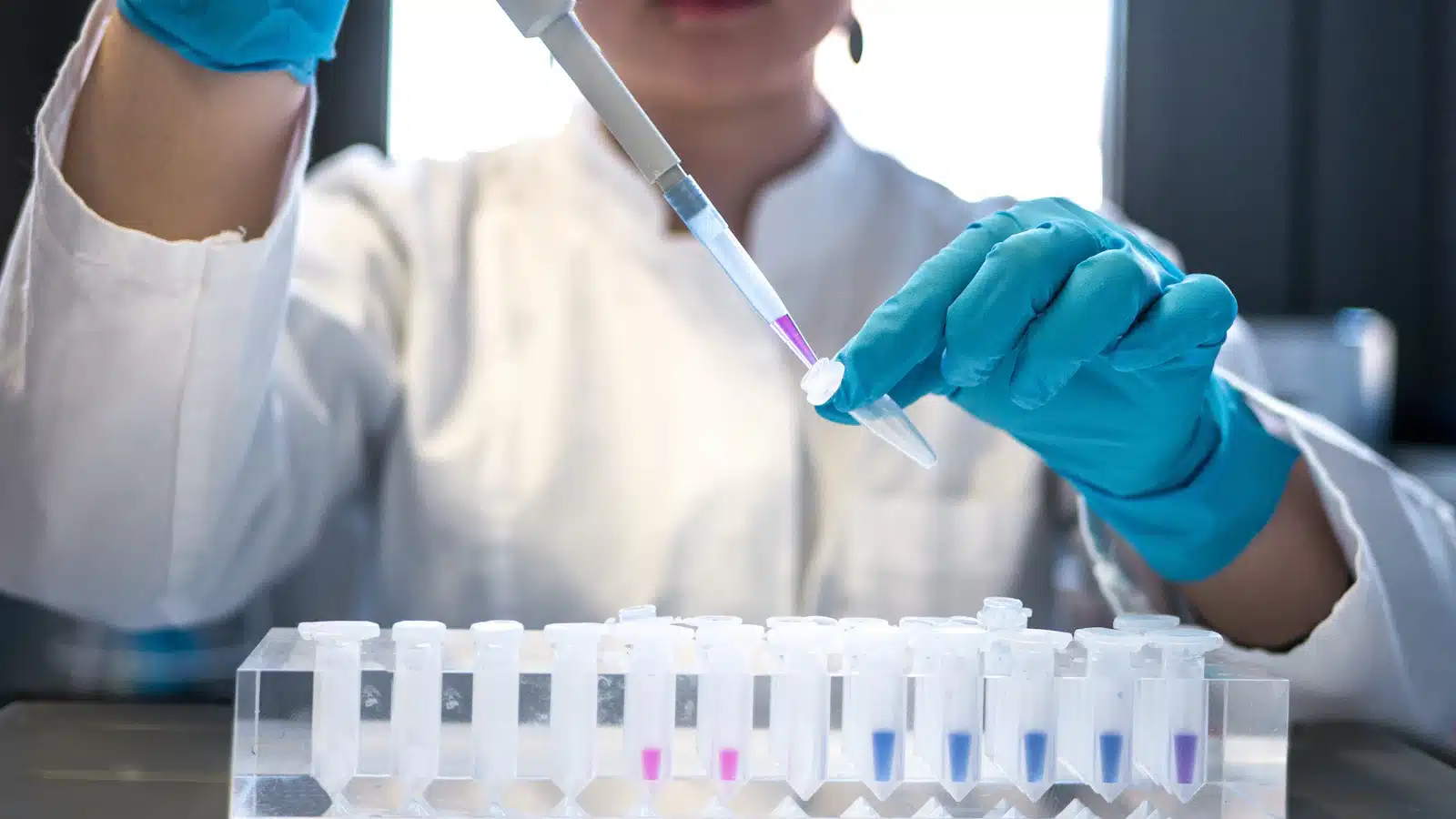
Gene editing existed before CRISPR, using tools such as zinc finger nucleases and TALENs. These worked, but each one required building a custom protein for every new target, which was slow and expensive. CRISPR changed the economics: to aim it at a new gene, scientists mostly just need to write a new guide RNA. That makes it faster, cheaper, and accessible to far more laboratories around the world.
The First CRISPR Cure: Casgevy for Sickle Cell Disease
The strongest proof that CRISPR is more than a lab curiosity came with Casgevy, developed by Vertex Pharmaceuticals and CRISPR Therapeutics. The United Kingdom’s medicines regulator approved it in November 2023, and in December 2023 the U.S. Food and Drug Administration approved it for sickle cell disease in patients 12 and older. In January 2024 the FDA added approval for transfusion-dependent beta thalassemia. You can read the agency’s announcement on the FDA website.
Both conditions involve faulty adult hemoglobin, the protein that carries oxygen in red blood cells. Casgevy works by editing a gene called BCL11A, which normally switches off fetal hemoglobin after birth. Doctors collect a patient’s blood-forming stem cells, edit them in the laboratory so fetal hemoglobin production stays on, and return them to the patient. Fetal hemoglobin is healthy, so it can compensate for the defective adult version.
In clinical trials, most patients with these conditions saw their symptoms ease dramatically. For example, 39 of 42 beta thalassemia patients in the trial period reported no longer needing red blood cell transfusions, according to reporting by Live Science. The treatment is a one-time procedure, but it is complex and expensive, with a list price of about $2.2 million in the United States.
Other Ways CRISPR Is Being Used
Medicine and Diagnostics
Researchers are testing CRISPR-based approaches for inherited eye disease, high cholesterol, some cancers, and viral infections. CRISPR also underpins some rapid diagnostic tests, which gained attention during the COVID-19 pandemic. Artificial intelligence is increasingly helping scientists design better guide RNAs and predict side effects; our article on how AI is transforming modern healthcare explores that wider trend.
Agriculture
Plant scientists use CRISPR to develop crops that resist disease, tolerate drought, or stay fresh longer. Because edits can be made without inserting genes from other species, regulators in some countries treat certain edited crops differently from traditional genetically modified organisms.
Basic Research
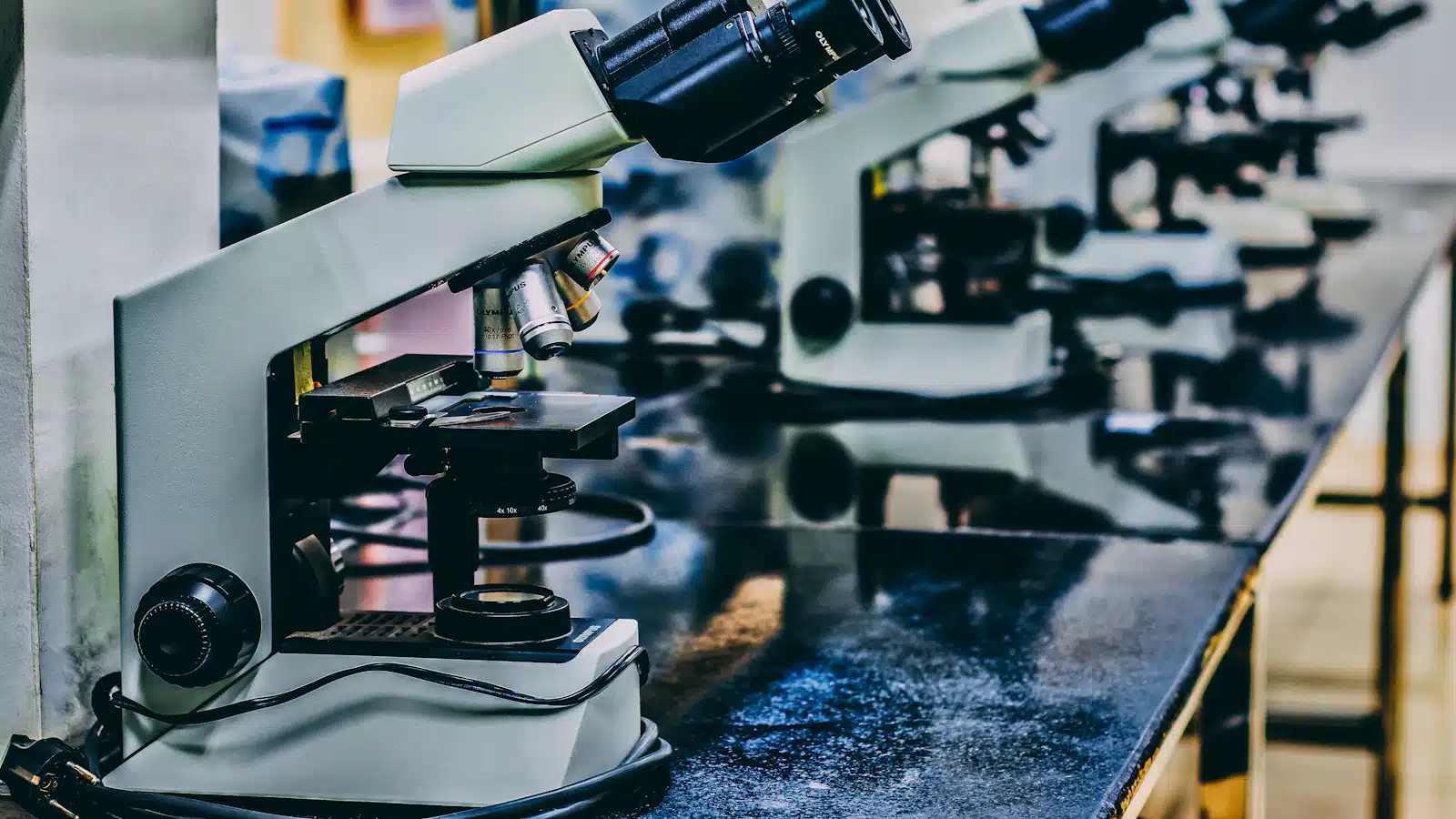
In laboratories, CRISPR lets scientists switch genes off one at a time to learn what each does. That has sped up discovery in cancer biology, neuroscience, and developmental biology. Like the instruments behind the James Webb Space Telescope’s discoveries, it is a tool that opens up entirely new questions rather than simply answering old ones.
The Risks and Limits of Gene Editing
CRISPR is powerful, but it is not magic. Scientists are still working on several challenges:
- Off-target edits: Cas9 can occasionally cut similar-looking DNA in the wrong place, which could cause unwanted changes. Newer, more precise editors aim to reduce this.
- Delivery: Getting the editing machinery into the right cells inside the body is difficult. Casgevy avoids the problem by editing cells outside the body, which not every disease allows.
- Cost and access: A multimillion-dollar, hospital-based therapy is out of reach for most patients worldwide, including many regions where sickle cell disease is most common.
- Long-term safety: The technology is young, so long-term follow-up of treated patients continues.
The Ethics Debate
Most approved and experimental therapies edit only the patient’s own body cells (somatic editing), so the changes are not passed to children. Editing embryos or reproductive cells (germline editing) is far more controversial because changes would be inherited by future generations. In 2018, the announcement of gene-edited babies in China drew worldwide criticism from scientists and ethicists. Many countries restrict or prohibit heritable human genome editing, and the debate over where to draw the line continues.
Frequently Asked Questions
Is CRISPR the same as genetic engineering?
CRISPR is a type of genetic engineering, but it is much more precise and easier to use than older methods. It edits DNA already in a cell rather than always adding genes from outside.
Can CRISPR cure any genetic disease?
No. It works best for conditions caused by a single, well-understood gene and where cells can be reached or removed and edited. Complex diseases involving many genes are far harder to treat.
Is CRISPR safe?
Approved therapies have passed regulatory review for specific conditions, but every treatment carries risks, and long-term monitoring is ongoing. Anyone considering a gene therapy should discuss risks and benefits with their doctor.
Who invented CRISPR gene editing?
Many researchers contributed to understanding the bacterial system, but Emmanuelle Charpentier and Jennifer Doudna received the 2020 Nobel Prize in Chemistry for turning it into a programmable genome editing tool.
Summary
CRISPR began as a bacterial defense against viruses and became one of the most important tools in modern biology. By guiding the Cas9 protein to a chosen spot in the genome, scientists can switch genes off or rewrite them. The approval of Casgevy for sickle cell disease and beta thalassemia shows that the technology can deliver real treatments, while cost, delivery, safety, and ethical questions show that the journey is far from finished.
Disclaimer: This article is for general educational purposes only and is not medical advice. Consult a qualified healthcare professional about any medical condition or treatment.