Your body carries some strange souvenirs. A tiny pouch off your gut, a bony stub at the base of your spine, a set of teeth that rarely fit. These are vestigial organs, structures that lost most or all of their original job as our ancestors’ lives changed. But why do we still have them, and are they really useless? The honest answer is more interesting than the textbook one.
Thank you for reading this post, don't forget to subscribe!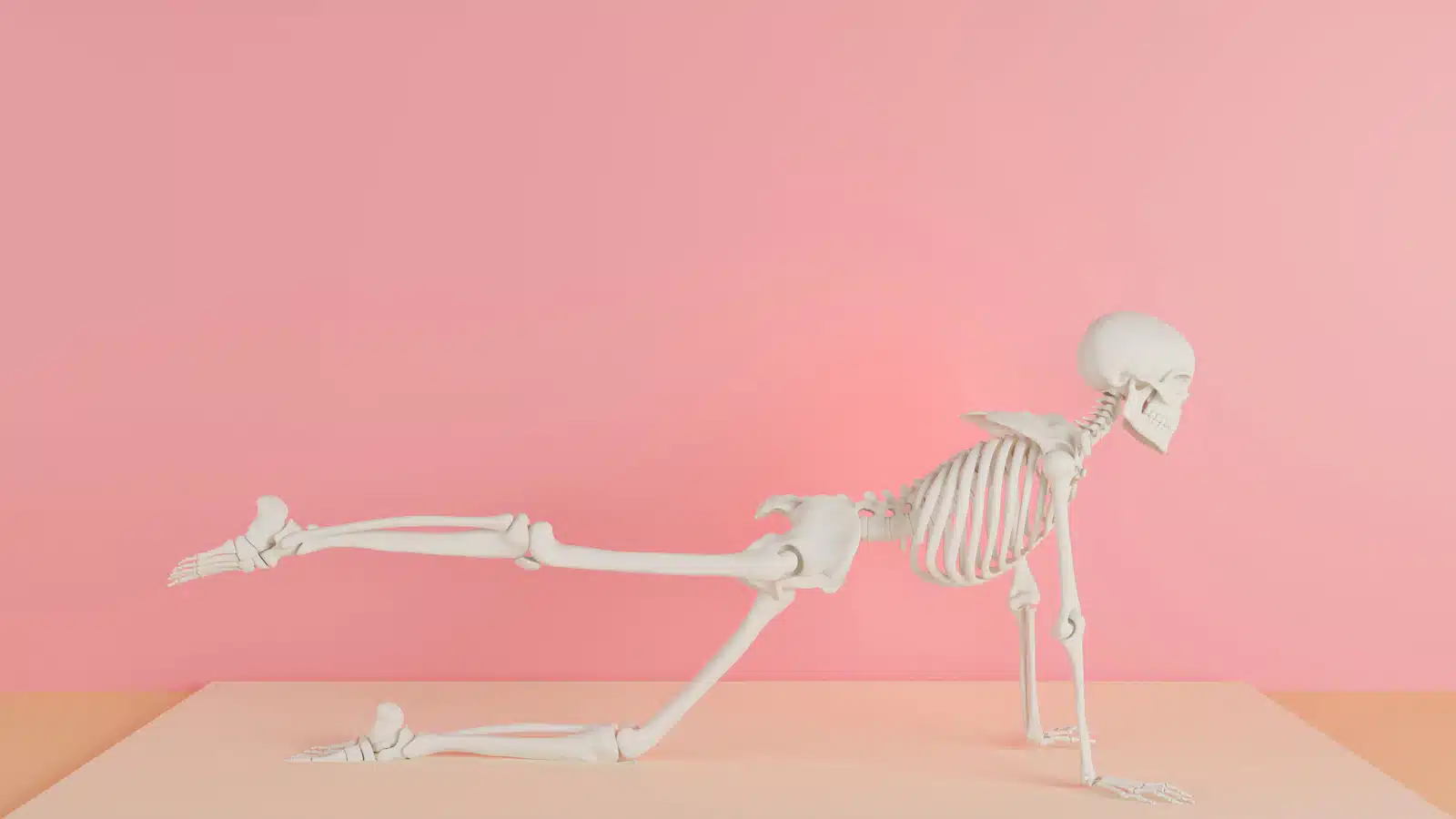
What Are Vestigial Organs?
Vestigial structures are body parts that either no longer do the job they once did or have lost their function altogether. According to the Cleveland Clinic, classic human examples include the appendix, the coccyx (tailbone), the plica semilunaris in the corner of the eye, and the wisdom teeth.
Charles Darwin argued that such leftovers support the idea of common descent. If living things share ancestors, their bodies should keep structural traces of features that once mattered. Evolution does not tidy up perfectly. It works with what already exists, and a part that is harmless to carry can linger for millions of years. Think of an old house that has been renovated many times: the walls get repainted and the rooms get new uses, but some doors that lead nowhere are still there.
Vestigial does not always mean useless
This is the key point many articles skip. A structure can lose its original function and still pick up a new one. Biologists call this a change of role. Some parts on our list turn out to be quietly useful, while others are genuine nuisances. Keep that in mind as we go through the list.
10 Evolutionary Leftovers Inside the Human Body
1. The Appendix
The appendix is the most famous suspect. Darwin guessed it was the shrunken remnant of a larger digestive pouch that helped ancestors break down tough plant material. For a long time doctors treated it as a useless organ that only caused trouble when it became inflamed.
Newer research complicates that story. A team led by Heather Smith at Midwestern University mapped the appendix across 533 mammal species and found it evolved independently more than 30 times and almost never disappeared once it appeared. The same work found more immune tissue in the gut pouch of species that have an appendix. The leading idea is that it acts as a safe house for helpful gut bacteria, helping restock the gut after a bad infection. You can read the summary at ScienceDaily. The theory is still debated, but the appendix is no longer an obvious example of a pure leftover.
2. The Tailbone (Coccyx)
The coccyx is a small group of fused vertebrae at the bottom of the spine. It marks where our distant ancestors had a tail. Humans also grow a temporary tail as embryos, which is mostly gone by birth. Yet the tailbone is not idle. Many muscles and ligaments attach to it, and it helps keep you stable when you sit. It is a good example of an old structure given a new job.
3. Wisdom Teeth
Wisdom teeth are our third molars. They were useful for grinding tough plants and meat. Cooked and softer food, together with smaller jaws, means they often have no room to grow in properly. Impacted wisdom teeth can cause infections and are commonly removed. Interestingly, some people never develop them at all, and variation in genes such as PAX9 appears to be involved. In other words, evolution may still be trimming this tooth right now.
4. The Plica Semilunaris
Look at the inner corner of your eye in a mirror. That small pink fold is the plica semilunaris. In birds, reptiles and some mammals, a similar structure grows into a full third eyelid (the nictitating membrane) that sweeps across the eye to clean and protect it. In humans it is a small remnant and does not move across the eye.
5. The Ear-Wiggling Muscles
Many animals swivel their ears toward a sound. Humans still have the muscles around the outer ear, but most of us can barely move them, and they do little for hearing. A few people can wiggle their ears on command, a neat party trick and a reminder of how our ancestors listened for predators.
6. Goosebumps
When you are cold or scared, tiny muscles at the base of each hair pull the hair upright. On a furry animal this fluffs the coat to trap heat or look bigger to a rival. On our thinly haired skin it does almost nothing useful, yet the reflex survives. It is a behavior and a reflex rather than an organ, but it fits the same pattern.
7. The Palmar Grasp Reflex
Touch a newborn’s palm and the fingers curl tightly around yours. This reflex is often linked to infant primates clinging to their mother’s fur. Human babies do not need to cling to fur, but the reflex appears in early life and fades in the first months. Doctors still check it as a sign of healthy nervous system development.
8. Male Nipples
Male nipples are not leftovers from a lost male function. They form early in the womb, before hormones steer development toward male or female. Because the basic body plan is shared in the early embryo, the structure appears in both sexes. This makes them a by-product of how development works, more than a classic vestige.
9. The Vomeronasal Organ
Many mammals use a special organ in the nose to detect pheromones. Humans have a small remnant of this vomeronasal organ, but evidence that it works as a pheromone detector in adults is weak. The sense of smell overall is also less sharp in humans than in many animals.
10. Muscles We Barely Need
Some muscles are missing in certain people with no obvious harm. The palmaris longus, a slim tendon in the forearm, is one example. Surgeons often use it as a graft because its loss does not affect grip strength. It is a quiet sign that our bodies carry extras that evolution has not needed to remove.
Why Does Evolution Keep Leftovers?
There are a few simple reasons a part sticks around after it stops being needed:
- It is cheap to keep. If a structure costs little energy and rarely harms survival, natural selection has little pressure to remove it.
- It shares genes with useful parts. The same genes that build one structure may help build another, so switching one off can have side effects.
- It finds a new job. The coccyx anchors muscles, and the appendix may support gut immunity.
- Evolution is slow. Shrinking a structure takes many generations, and some are still in transition, as wisdom teeth seem to be.
It also helps to remember that evolution has no goal and no designer tidying up. Traits change only when a difference affects how many offspring survive. A small pouch or a short bone that does no harm can simply remain, passed from parents to children for countless generations.
Genes, Development and the Modern Body
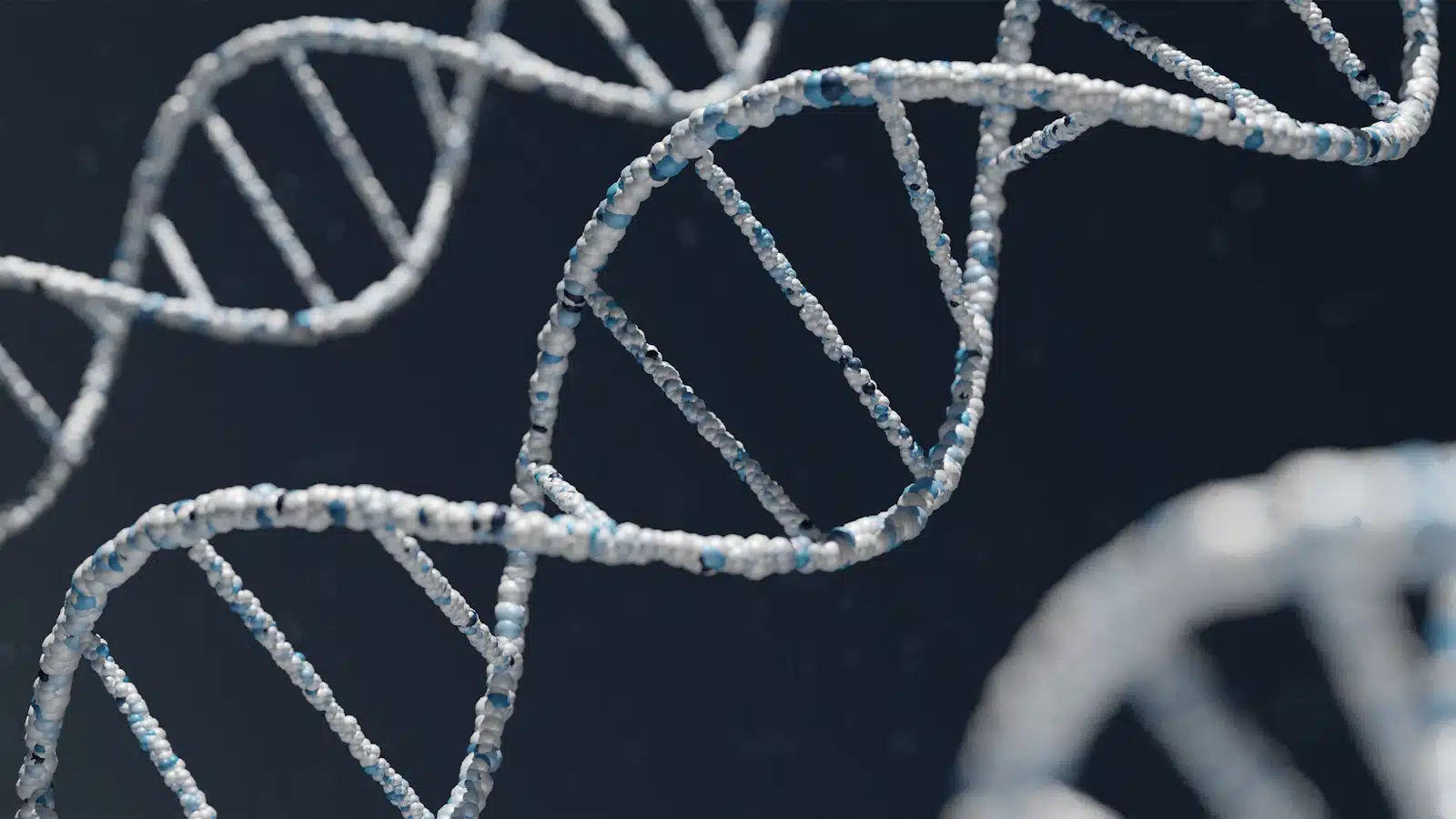
Many vestigial traits make more sense once you look at development and DNA. The same genetic toolkit builds bodies across species, which is why embryos of different animals look alike early on. Modern tools are now letting scientists read and even edit that code. If you are curious how, see our guide to CRISPR gene editing explained. Our understanding of the brain also keeps changing, as shown in this report on how the brain may have evolved, and medical tools are advancing quickly too, as we cover in how AI is transforming modern healthcare.
What this means for you
You do not need to worry about these leftovers in daily life. Most are harmless. The practical takeaways are simple: treat sudden, severe abdominal pain as an emergency because it can signal appendicitis, and see a dentist if the back of your jaw is painful or swollen, since it may be an impacted wisdom tooth. Beyond that, enjoy the story your body tells about where we came from.
Frequently Asked Questions
Is the appendix really useless?
Probably not entirely. Research suggests it may store helpful gut bacteria and support immunity, though people live normal lives without it, so it is not essential.
Do all humans have wisdom teeth?
No. Some people are born without one or more of them, and how common this is differs between populations.
Are vestigial organs proof of evolution?
They are one line of evidence among many, alongside fossils, genetics and comparative anatomy. On their own they do not settle the question, but they fit what evolutionary biology predicts.
Is it safe to remove a vestigial organ?
Sometimes surgery is necessary, such as for appendicitis or impacted wisdom teeth. That decision belongs to you and your doctor, not to an article.
Summary
Vestigial organs are echoes of our evolutionary past. Some, like wisdom teeth and the plica semilunaris, have largely lost their purpose. Others, like the tailbone and possibly the appendix, have picked up new roles. Together they show that the human body is not a perfect design but a long, layered history written in flesh and bone.
Disclaimer: This article is for general education and is not medical advice. If you have pain, swelling or other symptoms, speak to a qualified healthcare professional.